
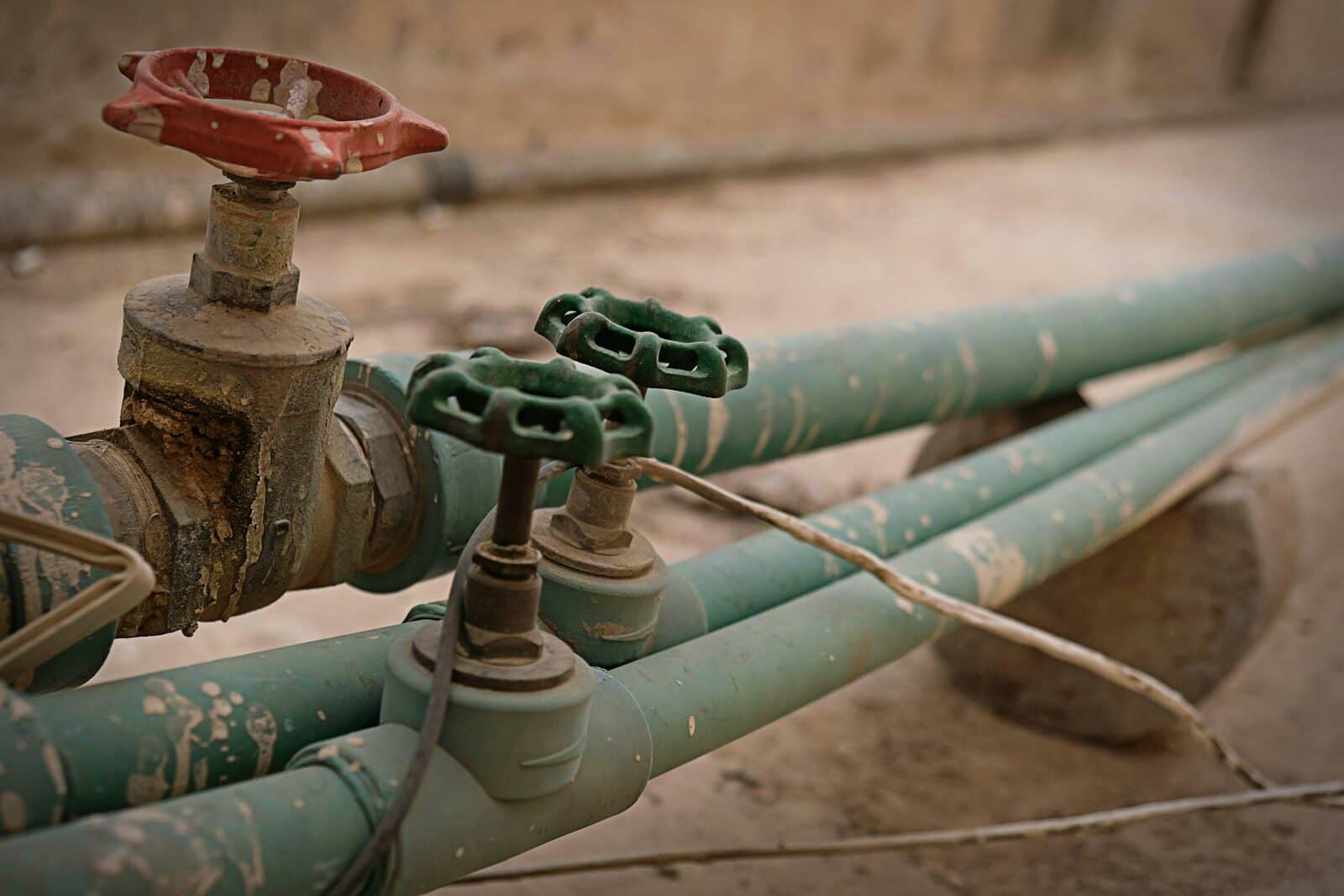
Every homeowner should know how to perform a water valve shut off in case of a plumbing emergency. Whether you are dealing with a burst pipe, a leaking appliance, or unexpected water damage, shutting off the water quickly can prevent serious damage to your property.
Many homeowners do not think about their water shutoff valve until a problem occurs. By that time, water may already be spreading through the home. Knowing where your main water valve is located and how to turn it off can help you respond quickly and protect your plumbing system.
At G.A. Eberly Plumbing & Heating, we have helped homeowners across Maryland, Virginia, and Washington, D.C. handle plumbing emergencies for more than 115 years. Our experienced team understands how critical it is to control the water flow during a plumbing issue and prevent unnecessary damage.
Learning how your water shutoff system works is a simple but essential step every homeowner should take.
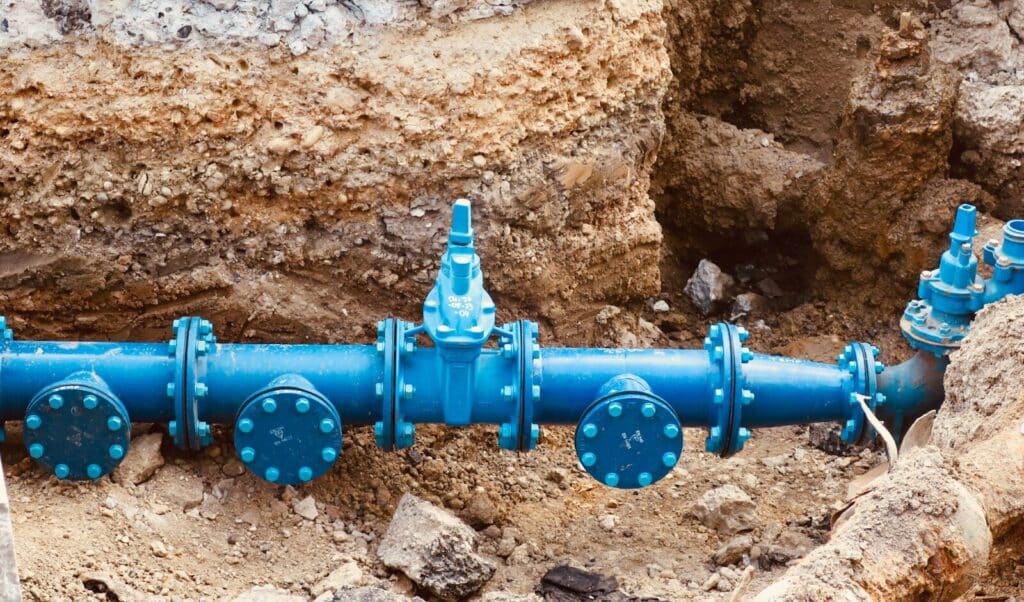
Photo by Rose Galloway Green on Unsplash
What Is a Water Shut Off Valve
A water shutoff valve, sometimes called a shut off valve or water shut, is a control valve that stops water from entering your home through the main water line.
When the valve is open, water moves freely through your plumbing system and supplies fixtures such as sinks, toilets, faucets, and appliances like washing machines.
When the valve is turned off, it stops the water supply completely. This prevents water from flowing through pipes and helps stop leaks from spreading.
Most homes have two primary shutoff valves.
The main water valve controls the entire house. Turning this valve off stops all water from entering the home.
Individual fixture valves may also exist near appliances or fixtures. These smaller valves control water to specific areas such as a toilet, sink, or washing machine.
Understanding both types of valves helps homeowners respond quickly when plumbing issues occur.
Why Every Homeowner Should Know Their Location
A plumbing emergency can occur without warning. A broken pipe, leaking water heater, or damaged appliance can quickly release large amounts of water into the home.
If water continues to flow during the problem, it can cause significant water damage to floors, walls, cabinets, and other structural materials.
Knowing how to perform a water valve shut off allows homeowners to stop the flow of water immediately while waiting for professional repairs.
Quick action can
- Prevent flooding
- Reduce repair costs
- Protect appliances and fixtures
- Limit structural damage
- Prevent mold growth
In many cases, shutting off the water quickly can save thousands of dollars in damage.
Where Water Shut Off Valves Are Typically Found
The location of the water shutoff valve depends on the design of the home and the plumbing system. However, there are several common locations where homeowners should check.
Basements
In many homes, the main water valve is typically located in the basement near where the main water line enters the house from the street.
The valve may be mounted on a pipe coming through the wall or floor near the water meter.
Crawl Spaces
Some homes have plumbing lines installed in a crawl space beneath the house. In these cases the shutoff valve may be located near the point where the water line enters the property.
Utility Rooms
Homes without basements may have the main shutoff valve inside a utility room or near major plumbing appliances such as the water heater.
Garages
In certain homes, the water valve may be installed inside the garage, especially when the plumbing enters the house from that side of the property.
Outside Near the Street
Some homes have a secondary shutoff near the water meter outside. This valve is typically located in a small box in the ground near the curb or sidewalk.
This valve is often controlled by the city and may require a special key tool to access.
Types of Water Shut Off Valves
Most homes use one of two common valve designs to control water flow.
Gate Valves
Gate valves are commonly found in older homes. These valves use a round handle that must be rotated several times to shut off the water.
When the handle turns, a metal gate inside the valve lowers to block the water flow.
Although gate valves work well, they can sometimes wear out over time and become difficult to turn.
Ball Valves
Ball valves are common in modern plumbing systems. They use a lever handle that rotates only a quarter turn.
When the handle is parallel to the pipe, the valve is open, and water flows normally. When the handle rotates perpendicular to the pipe, the valve shuts off the water.
Ball valves are generally easier to operate and more reliable than gate valves.
Step-by-Step Guide to Turning Off Your Water
If you discover a plumbing problem, follow these steps to shut off the water safely.
- First, locate your main water valve. Check the basement, crawl space, garage, or area near the water meter.
- Once you find the valve, identify whether it is a gate valve or a ball valve.
- If it is a gate valve, slowly turn the handle clockwise until it stops. This action closes the valve and stops water flow.
- If it is a ball valve, rotate the handle a quarter turn until it is perpendicular to the pipe.
- After turning the valve off, open a nearby faucet to verify that the water has stopped flowing. This helps relieve pressure inside the pipes and confirms the shutoff worked.
- If the valve is difficult to turn, avoid forcing it with excessive pressure. Older valves made of metal, brass, or other materials may become stiff over time.
In some cases, homeowners may need pliers to turn the valve carefully.
If the valve cannot be turned or appears damaged, contact a professional plumber for assistance.
When to Call a Plumber
Although knowing how to shut off your water is helpful, some plumbing problems require professional repair.
You should contact a plumber if you notice
- A leaking pipe or fixture
- Low water pressure throughout the home
- Water damage near pipes or appliances
- A valve that does not rotate or shut properly
- Plumbing components that require replacing
Professional plumbers can identify the source of the problem, repair damaged pipes, and restore the plumbing system safely.
At G.A. Eberly Plumbing & Heating, our licensed technicians provide reliable plumbing repairs and emergency services to homeowners throughout the region. Every repair is supervised by a Master Technician to ensure the work is completed correctly and efficiently.
Schedule Plumbing Service Today
Knowing how to perform a water valve shut off is one of the most valuable plumbing skills a homeowner can have. Quick action during an emergency can prevent serious water damage and protect your property.
If you suspect a plumbing issue or need help locating or repairing your water shutoff valve, our experienced team is ready to help.
Contact G.A. Eberly Plumbing & Heating today to schedule professional plumbing service.
Put more than 115 years of plumbing experience to work protecting your home. Your trusted family-owned plumber serving the DMV region since 1909.
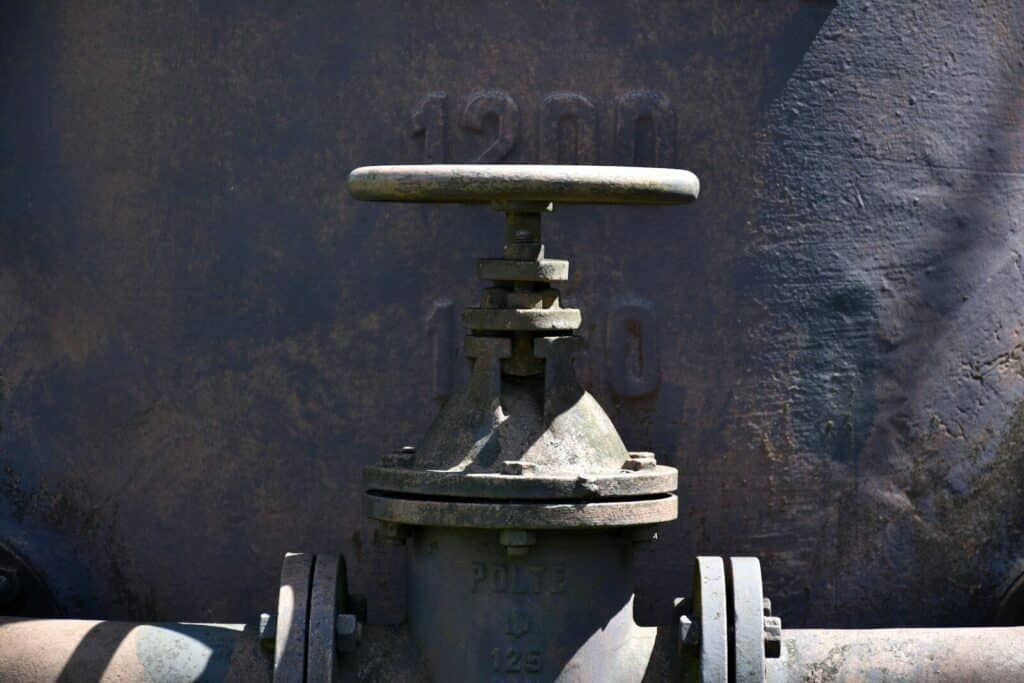
Photo by Ries Bosch on Unsplash
Resources and Helpful Links
Knowing how to manage your home’s plumbing system keeps your property safe and prevents minor leaks from turning into major floods. We gathered seven reliable resources to help you learn more about locating, operating, and maintaining your water shut-off valves.
1. This Old House: Locating Your Main Water Shut-Off Valve
The experts at This Old House provide a comprehensive video and text guide on finding your main water valve. They walk you through common locations in different types of homes, from basements to exterior utility boxes. This guide is perfect if you recently moved into a new house and need to map out your utility controls before an emergency strikes.
2. The Spruce: Step-by-Step Valve Operation
The Spruce offers an excellent breakdown of exactly how to turn off the water supply to your entire house or specific fixtures. They include clear instructions on handling both gate valves and ball valves. You will also find helpful tips on what to do if a valve gets stuck from age or mineral buildup, ensuring you can operate it safely without breaking the handle.
3. FEMA: Emergency Property Protection
The Federal Emergency Management Agency (FEMA) provides essential guidelines for protecting your property during a natural disaster or severe weather event. Their documentation covers exactly when and how to shut off your main utilities, including water, to prevent secondary damage. Reviewing this information helps you create a solid emergency action plan for your household.
4. EPA WaterSense: Finding and Fixing Leaks
The Environmental Protection Agency runs the WaterSense program to promote water efficiency and reduce waste. Their leak detection guide helps you determine if you have a hidden plumbing issue by monitoring your water meter. Knowing how to use your shut-off valve plays a crucial part in isolating pipes and testing for these silent, costly leaks.
5. Family Handyman: Understanding Different Plumbing Valves
If you want to understand the hardware inside your walls, Family Handyman offers a great visual guide to different plumbing components. They explain the mechanical differences between ball valves, gate valves, globe valves, and simple stop valves. This knowledge comes in handy when you need to identify a failing part or describe a specific plumbing issue to a professional.
6. HomeAdvisor: Valve Replacement and Maintenance Guide
HomeAdvisor maintains a robust library of homeowner education articles. Their guide to water main valves covers typical replacement costs, signs of wear and tear, and the expected lifespans for different valve materials. Use this resource to budget for future home repairs and understand when a basic DIY fix crosses into professional territory.
7. American Red Cross: Utility Shut-Off Safety
The American Red Cross focuses on keeping people safe during unexpected emergencies and disasters. Their utility shut-off safety guide highlights the precautions you must take before touching your water, gas, or electrical mains. They provide simple, actionable steps to ensure you do not accidentally cause injury while trying to secure your home’s infrastructure.