
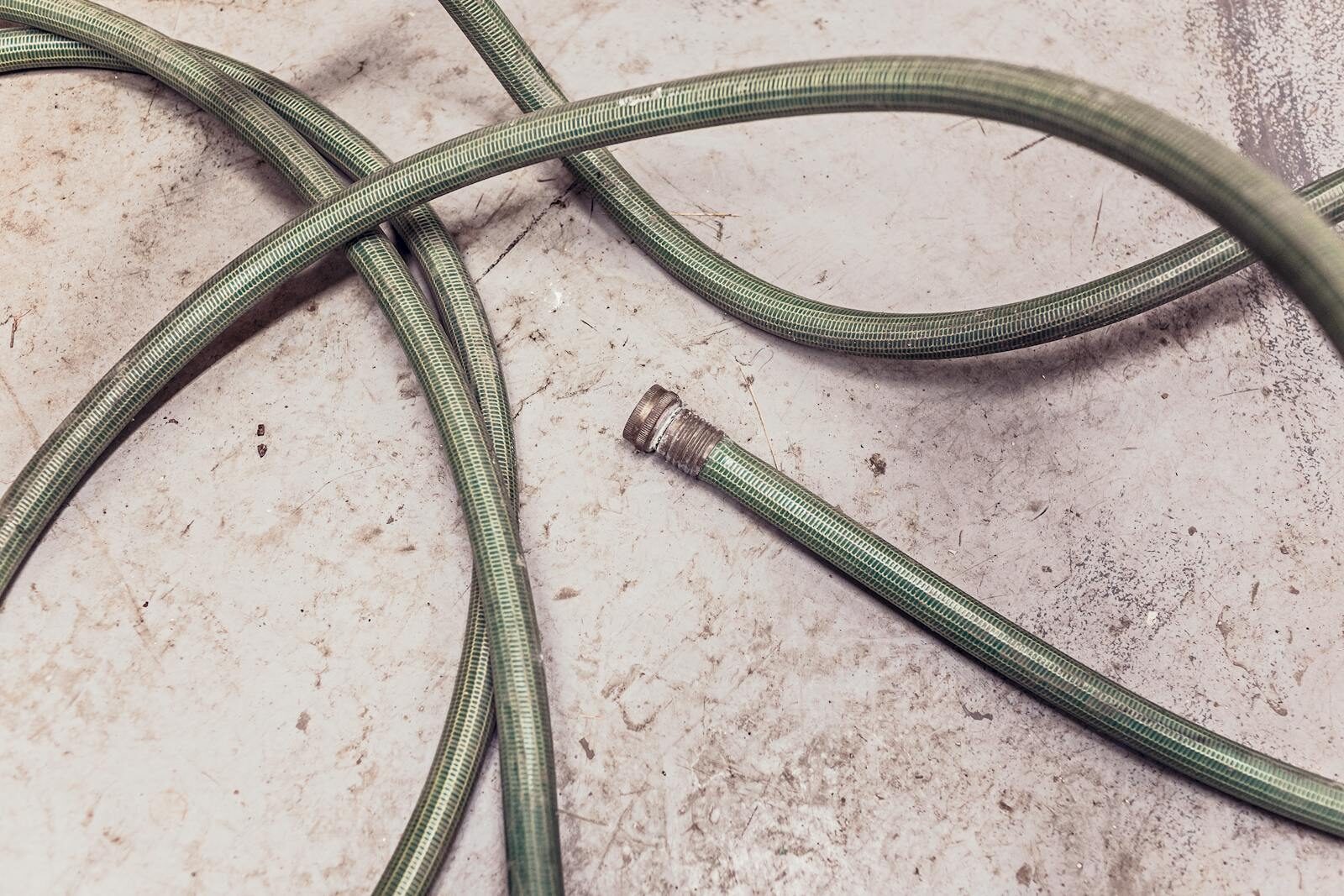
Most homeowners rarely think about their plumbing until something goes wrong. Yet one of the most important parts of any plumbing system is something most people never see: the water supply line.
Your water supply line is responsible for delivering clean water throughout your home. It powers everything from your sinks and faucets to appliances and toilets. These supply lines also connect to major plumbing components like water heater supply lines, ensuring hot water is available for showers, laundry, and everyday use.
When these lines function properly, they provide reliable water delivery every time you turn on a tap. But when problems develop, even small issues can lead to serious leaks, water damage, and costly repairs.
At G.A. Eberly Plumbing & Heating, we’ve spent more than 115 years helping homeowners across Maryland, Virginia, and Washington, D.C. maintain safe and reliable plumbing systems. As a family-owned, woman-operated company founded in 1909, we combine trusted craftsmanship with modern tools and technology to keep residential plumbing systems working smoothly.
In this guide, I’ll explain what a water supply line is, how it works, the types of materials used, and the warning signs Alexandria homeowners should never ignore.
What Is a Water Supply Line?
A water supply line is the pipe or flexible tubing that carries fresh water from the municipal water supply into your home and distributes it to fixtures and appliances.
Once the main line enters the home, smaller supply lines branch off to serve different parts of the plumbing system. These include:
- Faucet supply lines for sinks and faucets
- Toilet supply lines for bathrooms
- Water heater supply lines that connect to hot water systems
- Lines serving dishwashers, washing machines, and outdoor fixtures
These supply lines run through walls, floors, crawl spaces, and basements. Because they are often hidden, homeowners may not realize there is a problem until visible leaks or water damage appear.
Supply lines must be suitable for both water pressure and temperature changes. Proper installation and durable materials are essential to ensure the system lasts for years.
How a Water Supply Line Works
The water supply line system works continuously behind the scenes to deliver water where it is needed.
1. Water Enters Your Home
Water from the municipal system enters your property through the main supply pipe connected near the street. This pipe provides the primary source of water for the entire residential plumbing system.
Once inside the home, the main line splits into smaller supply lines that distribute water to individual fixtures and appliances.
2. Water Moves Through Supply Lines
Water travels through various pipes and flexible lines to reach areas like kitchens, bathrooms, and laundry rooms.
For instance, your kitchen sink uses faucet supply lines that connect the faucet to the home’s plumbing system. Bathrooms rely on toilet supply lines and sink supply connections to keep fixtures operating properly.
These connections are typically located under sinks or behind toilets, allowing plumbers to access them when repairs or replacements are needed.
3. Water Heats and Circulates
Cold water traveling through the system often flows toward water heater supply lines, where it enters the home’s water heating equipment.
Depending on the system, this may include:
- Tank water heaters
- Tankless water heaters
- Hybrid or heat pump water heaters
Once heated, the water travels through additional pipes to supply hot water to showers, tubs, and faucets.
Common Materials Used in Water Supply Lines
Several types of materials are used in modern plumbing systems. The right choice depends on durability, cost, and longevity.
Copper
Copper pipes are one of the most traditional plumbing materials. They offer excellent corrosion resistance, strong durability, and long lifespan.
Copper pipes are commonly used for both hot and cold water supply lines.
PEX
PEX tubing has become increasingly popular in residential plumbing. This flexible plastic material is easier to install and can bend around corners without extra fittings.
PEX systems are also resistant to freezing damage, making them a reliable option for many homes.
PVC
PVC piping is commonly used in drainage systems, but can also appear in certain supply line applications. It is lightweight, affordable, and resistant to corrosion.
Stainless Steel and Brass
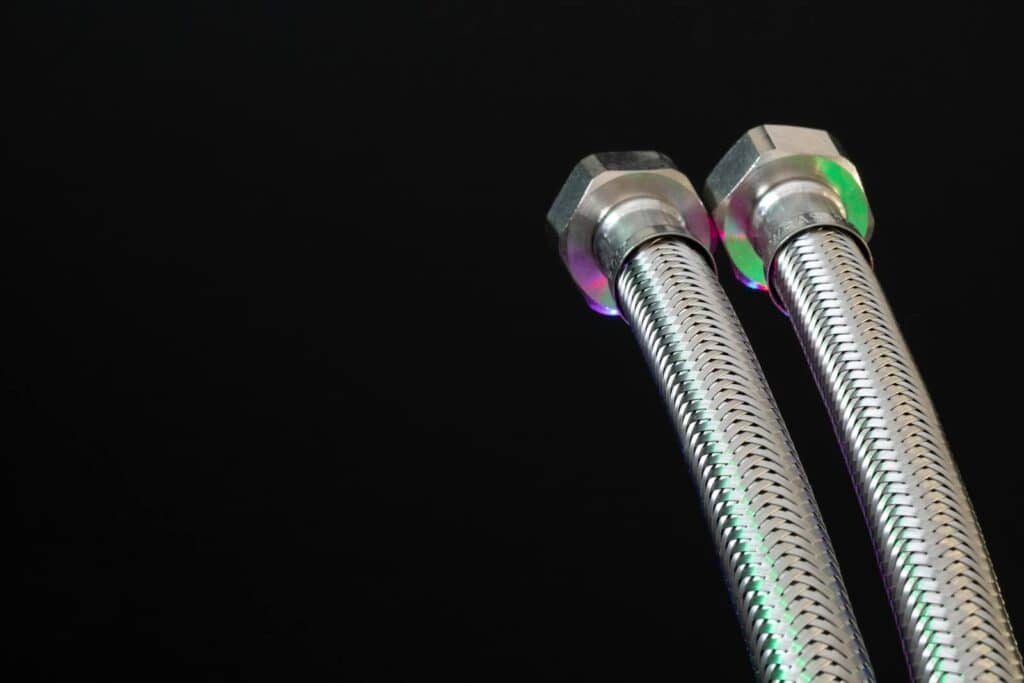
Flexible stainless steel supply lines are often used for faucet supply, toilets, and appliances. These braided lines are durable and provide excellent pressure resistance.
Brass fittings are also frequently used because they provide strong, leak-resistant connections.
Older homes may also contain steel pipes, which can corrode over time and may eventually require replacement.
Photo by aboodi vesakaran on Pexels
Warning Signs of Water Supply Line Problems
Water supply lines can last many years, but they are not immune to wear, corrosion, or accidental damage.
Here are some warning signs that homeowners should watch for.
Leaks Around Fixtures
Visible leaks near sinks, appliances, or toilets may indicate worn-out faucet supply lines or damaged connections.
Even small leaks can waste water and damage cabinets or flooring.
Low Water Pressure
A sudden drop in water pressure throughout the house may signal a blockage, corrosion buildup, or a hidden leak somewhere in the plumbing system.
Rust or Corrosion
If pipes appear rusted or discolored, corrosion may be weakening the system. Older steel pipes are especially prone to this issue.
Unexplained Water Damage
Water stains on walls, ceilings, or floors could indicate a hidden supply line leak behind surfaces.
Addressing these problems quickly helps prevent larger plumbing repairs.
Why Water Supply Line Issues Shouldn’t Be Ignored
Ignoring supply line issues can lead to serious damage over time.
Structural Damage
Water escaping from pipes can damage flooring, drywall, insulation, and framing inside your home.
Mold Growth
Moisture from hidden leaks creates the perfect environment for mold growth, which can affect indoor air quality.
Higher Utility Bills
Leaks waste significant amounts of water. Over time, this unnecessary water usage can increase your monthly utility bills.
Professional Installation and Repairs Matter
When it comes to supply lines, proper installation is essential.
A professional plumber can ensure:
- The correct materials are used
- Supply lines are properly secured
- Connections are sealed to prevent leaks
- Water pressure is regulated safely
- The plumbing system meets residential code requirements
At G.A. Eberly Plumbing & Heating, every plumbing installation and repair is supervised by a Master Technician to ensure quality workmanship. Our fully stocked service trucks allow us to complete many plumbing jobs during the first visit, saving homeowners time and stress.
Protect Your Home’s Plumbing System
Your water supply line is one of the most essential components of your home’s plumbing system. From delivering fresh water to supplying faucets, toilets, and appliances, these pipes quietly support your entire household every day.
Understanding how supp0.bly lines work, the materials used, and the warning signs of trouble can help homeowners prevent costly plumbing emergencies.
If you suspect a leak, pressure issue, or aging supply line, it’s best to address the problem early.

Schedule your service today with G.A. Eberly Plumbing & Heating.
Put 115+ years of plumbing experience to work protecting your home. Your trusted, family-owned plumber serving the DMV region since 1909.
Helpful Links and Resources for Water Supply Lines
EPA’s WaterSense Program: Learn about water-efficient products and practices to conserve water in your home or business. Visit WaterSense
American Water Works Association (AWWA): Explore resources and standards for water supply systems and infrastructure. Visit AWWA
National Sanitation Foundation (NSF) – Drinking Water: Find information on certified products and standards for safe drinking water. Visit NSF
Centers for Disease Control and Prevention (CDC) – Water Systems: Access guidelines and tips for maintaining safe and healthy water systems. Visit CDC Water Systems
US Geological Survey (USGS) – Water Resources: Dive into data and research on water resources, including supply and quality. Visit USGS Water Resources
Plumbing Manufacturers International (PMI): Discover insights into plumbing products and their role in water conservation. Visit PMI
National Ground Water Association (NGWA): Learn about groundwater systems and their importance in water supply. Visit NGWA