
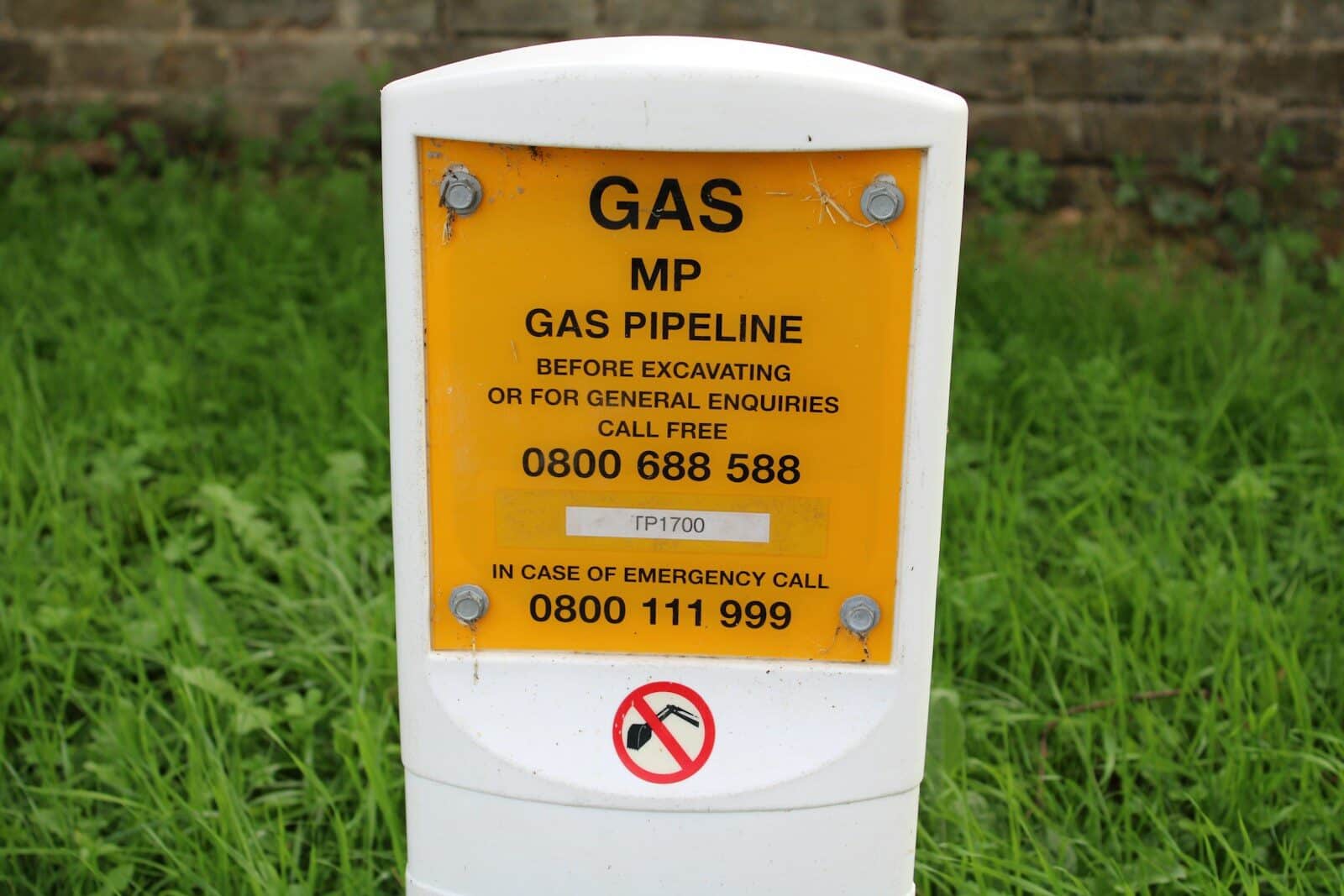
A safe and properly installed gas line is essential for many modern homes. From powering a gas stove and water heater to fueling outdoor features like a fire pit or outdoor grill, natural gas provides efficient energy for everyday living.
Gas line installation, however, is not a straightforward home improvement task. It demands specialized expertise, the right tools, and strict compliance with safety standards and local regulations. Improper installation can pose significant dangers, including gas leaks, pressure issues, or fire hazards.
At G.A. Eberly Plumbing & Heating, we have been providing professional plumbing and heating services throughout Maryland, Virginia, and Washington, D.C. for more than 115 years. As a family-owned, woman-operated company founded in 1909, our team delivers expert plumbing solutions backed by decades of experience and careful attention to safety.
If you are considering installing a new gas line in Bethesda, MD, understanding the process and why licensed professionals are required can help protect your home and family.
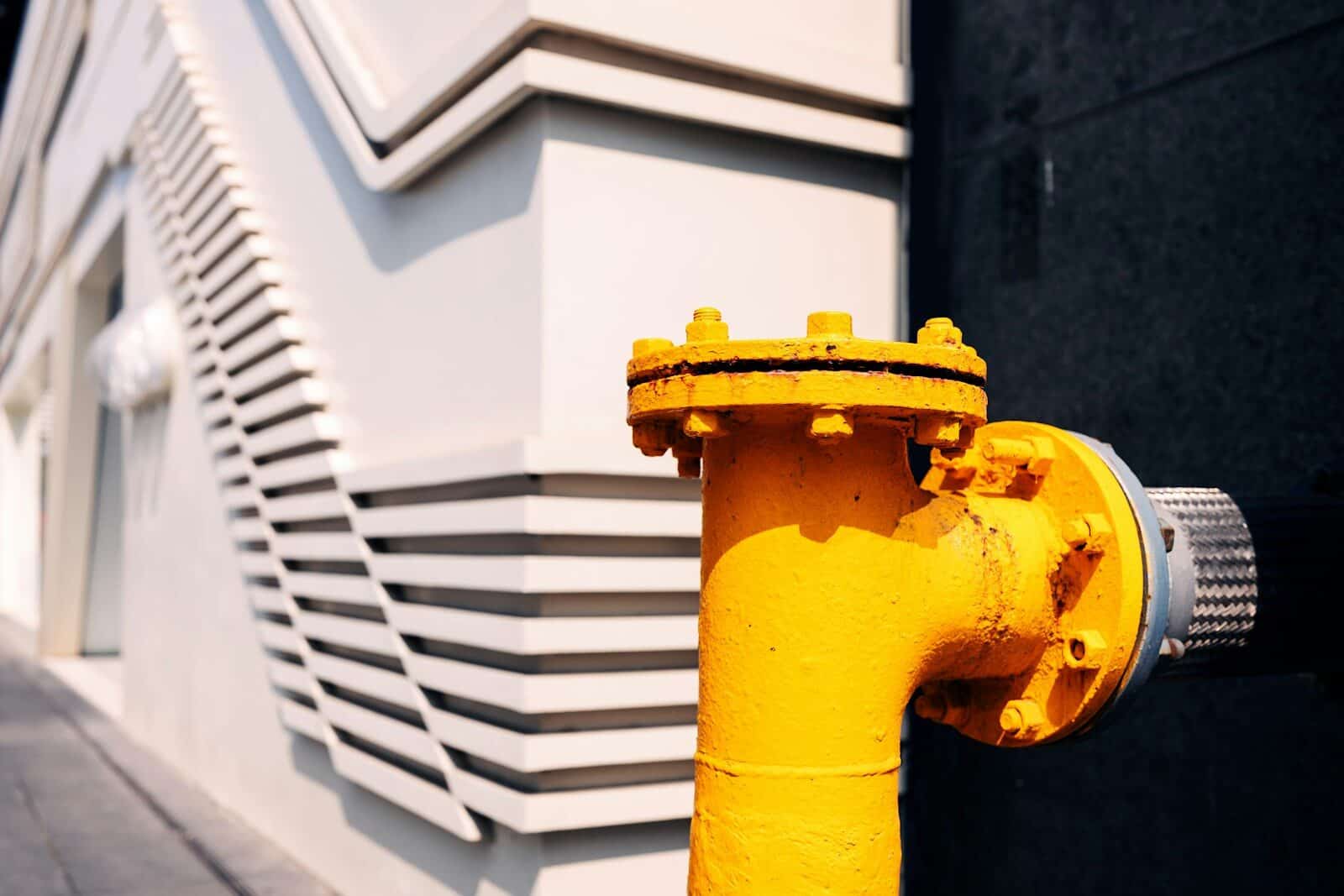
Photo by Declan Sun on Unsplash
What Gas Line Installation Means
Gas line installation involves designing and installing a gas piping system that safely delivers natural gas or propane from the gas meter to appliances inside or outside the home.
This system includes multiple components working together, including
• The main line that carries gas from the utility meter
• Branch gas piping that distributes gas throughout the home
• Shutoff valves that allow sections of the system to be safely controlled
• Secure gas connections that connect appliances to the piping system
Gas lines may supply a wide range of appliances, such as
• A gas range or gas stove in the kitchen
• A water heater
• A furnace or heating system
• Outdoor cooking equipment, like an outdoor grill
• Backyard features such as a fire pit
Because gas is highly combustible, every connection, fitting, and pipe must be installed correctly to ensure a safe and reliable gas supply.
Types of Gas Piping Materials
Professional plumbers use several types of materials when installing gas piping systems.
Black Iron Pipe
Black iron pipe or black steel piping is one of the most traditional materials used for gas systems. This strong metal piping is highly durable and commonly used for residential gas distribution.
Many older homes use black pipe or iron pipe for their gas lines because of its strength and long lifespan.
CSST Piping
CSST piping (corrugated stainless steel tubing) is a flexible material often used in modern installations. Its flexibility allows plumbers to run gas lines around obstacles with fewer joints.
This can reduce installation time and simplify routing through walls or ceilings.
Additional Materials and Fittings
Gas installations require specialized fittings, connectors, and sealing materials such as Teflon tape, plumber’s tape, or pipe dope to create secure connections.
Using the correct materials ensures a tight fit and helps prevent leaks.
The Gas Line Installation Process
The installation process for a new gas line involves several steps designed to ensure safety and proper performance.
Step 1: Planning and Permits
Before the actual installation begins, a licensed plumber evaluates the home’s existing plumbing and gas system.
This includes determining the proper pipe size using a sizing chart to ensure the line can deliver adequate gas without a pressure drop.
Local authorities may also require necessary permits before work can begin.
Step 2: Connecting to the Gas Meter
Gas enters the home through the gas meter, which measures the amount of gas used by the property.
The plumber connects the new line to the meter or existing gas line using appropriate fittings and valves.
Step 3: Installing the Gas Piping System
During the installation, the plumber measures and cuts pipe lengths to create the appropriate routing for the gas piping system.
Tools such as a pipe wrench are used to tighten connections and secure fittings. Proper alignment ensures each section of pipe forms a safe and sealed connection.
Step 4: Installing Shutoff Valves
Each gas appliance should have an accessible shutoff valve. These valves allow the gas supply to be turned off quickly if maintenance or repairs are required.
Step 5: Pressure Testing the Line
Before the system is used, the plumber performs a pressure test using a pressure gauge to confirm that the line holds pressure and does not leak.
Technicians may apply soapy water to connections to check for bubbles that indicate leaks.
Step 6: Final Inspection
After installation, the system is inspected to ensure it meets local codes and safety standards.
This inspection confirms that the system is ready to safely deliver gas to the appliances.
Why Gas Line Installation Should Never Be DIY
Some homeowners consider attempting a gas installation themselves using parts from a hardware store.
However, working with gas lines without proper training can be extremely dangerous.
Improperly installed pipes or fittings may cause
• Gas leaks
• Incomplete gas flow to appliances
• Dangerous pressure issues
• Fire hazards or explosions
A licensed contractor or licensed plumber understands how to properly size pipes, install secure fittings, and ensure the system meets all safety requirements.
Professional technicians also know how to detect hidden leaks and verify safe operation before the system is used.
Signs You May Need a New Gas Line
Several situations may require line installation or expansion of your gas system.
Common examples include
- Installing a new gas appliance
- Converting an electric appliance to gas
- Adding an outdoor grill or fire pit
- Replacing outdated gas piping
- Renovating or expanding a home
A qualified technician can evaluate your home and provide an accurate estimate for installing a new gas line.
Trust Expert Technicians for Gas Line Installation
Because gas systems involve complex safety requirements, expert technicians should always handle gas line installation and repairs.
At G.A. Eberly Plumbing & Heating, our licensed professionals provide safe, code-compliant gas line services for homeowners across Bethesda and the surrounding communities.
Our team ensures every connection is secure, every pipe is properly sized, and every installation meets local safety standards.
Schedule Your Service Today
If you are planning to install a new gas line or upgrade your home’s gas system, professional installation is the safest choice.
Our experienced team is ready to help with reliable gas line installation services in Bethesda, MD.
Schedule your service today and put more than 115 years of plumbing and heating experience to work for your home.
Your trusted local plumber serving Maryland, Virginia, and Washington, D.C. since 1909.
Helpful Links and Resources for Gas Line Installation
U.S. Department of Energy – Natural Gas Basics: Learn about the basics of natural gas, its uses, and safety considerations from the U.S. Department of Energy. Visit the U.S. Department of Energy
National Fire Protection Association (NFPA): Access safety codes and standards related to gas line installation and fire prevention. Visit the NFPA Website
Occupational Safety and Health Administration (OSHA): Explore OSHA’s guidelines for working safely with gas lines and other utilities. Visit OSHA’s Website
American Gas Association (AGA): Find resources and information about natural gas safety, efficiency, and industry standards. Visit the AGA Website
Call 811 – Before You Dig: Learn about the importance of calling 811 before starting any digging project to locate underground utilities. Visit Call 811
Energy Information Administration (EIA): Access data and reports on natural gas production, consumption, and trends in the U.S. Visit the EIA Website
Consumer Product Safety Commission (CPSC): Review safety tips and guidelines for using gas appliances and maintaining gas lines. Visit the CPSC Website