
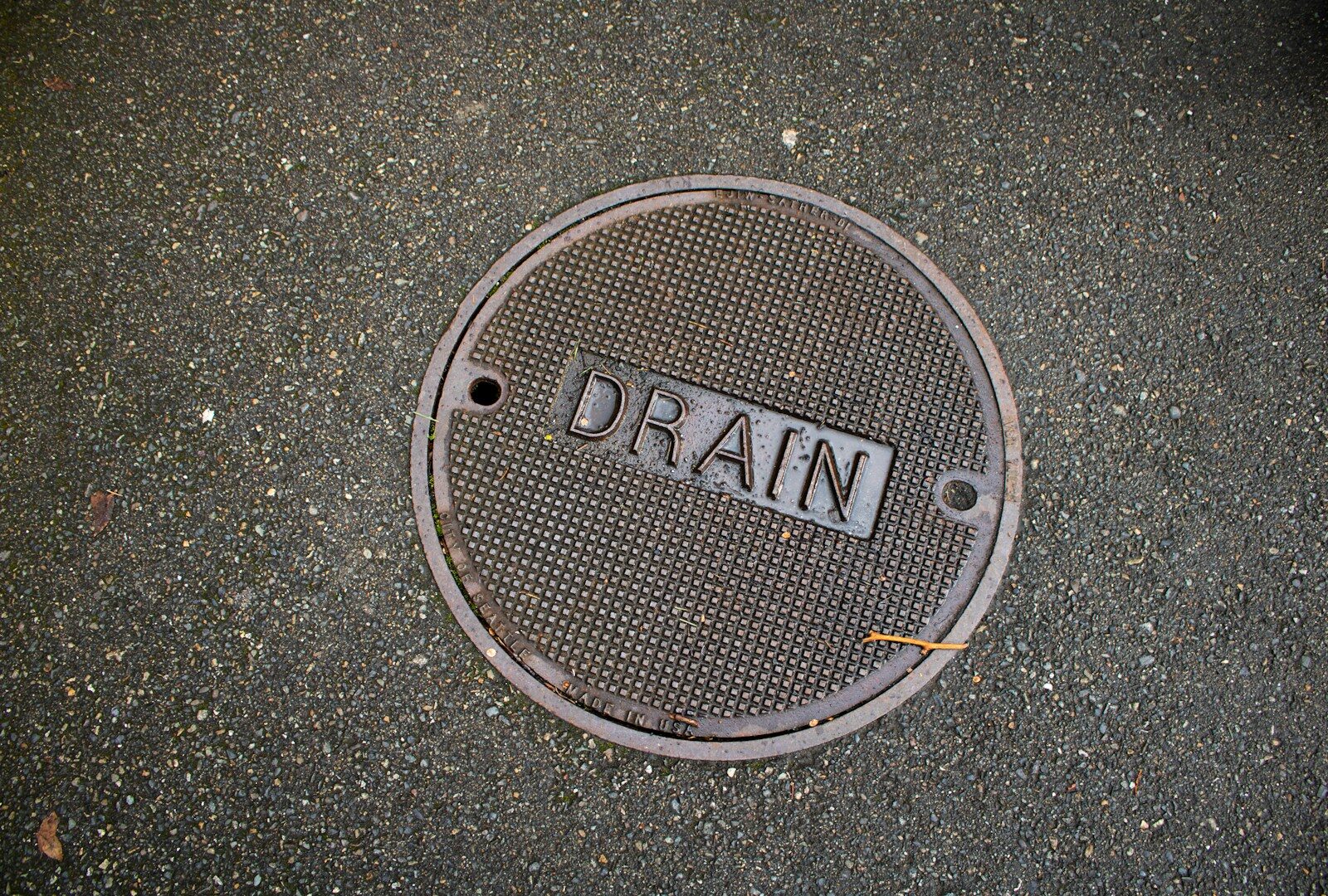
Your home’s plumbing system works quietly in the background every day. From washing dishes in the sink to taking a shower or flushing the toilet, drains remove wastewater and help keep your home clean and comfortable. When everything works properly, it is easy to forget that a network of pipes and drain lines is responsible for carrying water safely away from your house.
However, when problems begin inside the drain pipe or deeper within the plumbing system, the warning signs can start to appear quickly. What may seem like a small clog or slow-draining sink can sometimes signal a larger plumbing issue that requires professional drain repair.
At G.A. Eberly Plumbing & Heating, we have been helping homeowners across Maryland, Virginia, and Washington, D.C. solve plumbing problems for more than 115 years. Our team understands how drainage issues develop and how to diagnose them efficiently so customers can avoid costly plumbing emergencies.
Understanding the early warning signs of drain damage can help protect your home, your plumbing system, and your daily routine while saving you time, money, and unnecessary stress.
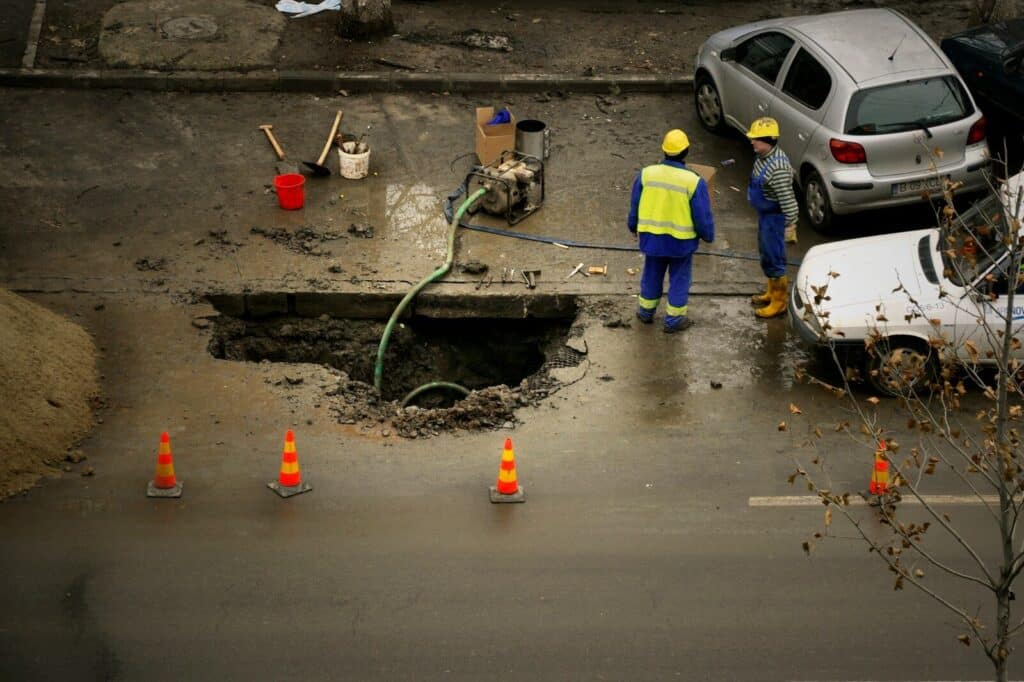
Photo by Cosmin Gurau on Unsplash
What Is Drain Repair and Why Does It Matter?
Drain repair is the process of diagnosing and fixing problems inside your home’s drain pipes and sewer lines. These repairs may involve clearing severe blockages, repairing damaged pipes, replacing worn materials, or restoring sections of the drain line that no longer function properly.
A working drain system is essential for removing wastewater from sinks, tubs, showers, toilets, and appliances such as your water heater. These plumbing components all connect to the larger drain system that carries waste away from your home.
When damage occurs in the drain pipe or drain line, water may not move through the plumbing system correctly. This can result in standing water, recurring clogs, and unpleasant odors inside the home.
Professional drain repair services focus on identifying the root problem instead of providing a temporary fix. A licensed plumber performs a professional assessment to determine the cause of the issue and recommend a permanent solution.
Addressing drain problems early can also save homeowners from expensive plumbing repairs later. When issues are ignored, small clogs can grow into severe blockages that require major work, such as pipe replacement or even a repipe of damaged sections.
7 Warning Signs Your Drains May Need Repair
Drain problems often begin with small symptoms that homeowners may overlook. Recognizing these warning signs early can help prevent more serious plumbing damage.
Frequent Drain Clogs
If you are dealing with repeated drain clogs in sinks, showers, or toilets, the issue may go beyond a simple blockage. Frequent clogs usually indicate buildup deep inside the drain line.
Grease, soap residue, food waste, and other materials can collect inside pipes over time. As this buildup grows, it restricts water flow and causes recurring blockages.
When clogs keep returning, professional drain cleaning or drain repair services may be needed to restore proper water flow.
Slow Drainage
Slow drainage is one of the most common signs of a developing plumbing issue. Water may begin to drain slowly from a sink, shower, or tub.
Slow drains typically occur when debris begins to collect inside the drain pipe. Materials such as grease, soap, hair, and waste can partially block the pipe and reduce water flow.
Although homeowners sometimes attempt to clear the drain and wait to see if the problem improves, persistent slow drainage may indicate deeper issues inside the plumbing system.
Gurgling Sounds in Pipes
Unusual sounds coming from your pipes can signal that something is wrong inside the drain line.
If you hear gurgling noises when you run water in the sink or flush the toilet, air may be trapped in the plumbing system due to a blockage.
These sounds often occur when water struggles to move through the pipe and air bubbles form inside the system. This symptom can appear before a larger clog develops.
Unpleasant Drain Odors
Foul odors coming from drains may indicate waste buildup inside the pipes. Organic materials such as grease, food debris, and soap residue can accumulate inside the drain line.
As these materials break down, they create unpleasant smells that may spread throughout the home.
In some cases, the odor may also indicate a damaged pipe or sewer issue that needs professional attention.
Recurring Backups
Drain backups are a serious warning sign that should never be ignored. When water backs up into sinks, tubs, or toilets, it often means that wastewater cannot move through the drain system properly.
Instead of leaving the house, the water returns through the lowest fixture.
Recurring backups may indicate severe blockages, damaged pipes, or tree roots invading the drain line.
Standing Water Around Drains
Standing water in sinks, tubs, or showers is another clear sign of a drainage problem.
When water collects and does not drain away, it usually means the pipe is blocked or damaged. Standing water can interrupt daily routines and increase the risk of plumbing damage inside the home.
Wet Areas in the Yard
Drain problems are not always visible inside the house. Sometimes the signs appear outside.
If you notice wet areas in the yard or unusually soft soil, there may be a leaking or broken sewer line underground.
Tree roots are a leading cause of underground drain damage, as they naturally grow toward moisture and can infiltrate pipes through tiny cracks or joints.
When roots grow inside the pipes, they create blockages that require professional repair.
What Causes Drain Damage
Drain damage can occur for many reasons, and many of these problems develop gradually.
Grease buildup is a major cause of drain clogs. When grease enters the drain, it cools and hardens inside the pipes. Over time, it traps debris and restricts water flow.
Tree roots can also invade underground pipes. Even small openings in pipe joints can allow roots to enter the drain line, where they expand and block the pipe.
Pipe corrosion is another common issue in older homes. Over time, pipes may weaken, crack, or break due to age and wear.
Ground movement and heavy soil pressure can also cause underground pipes to shift or collapse. When this happens, sections of pipe may need to be replaced.
Understanding the nature of these issues helps plumbers identify the right repair strategy for each situation.
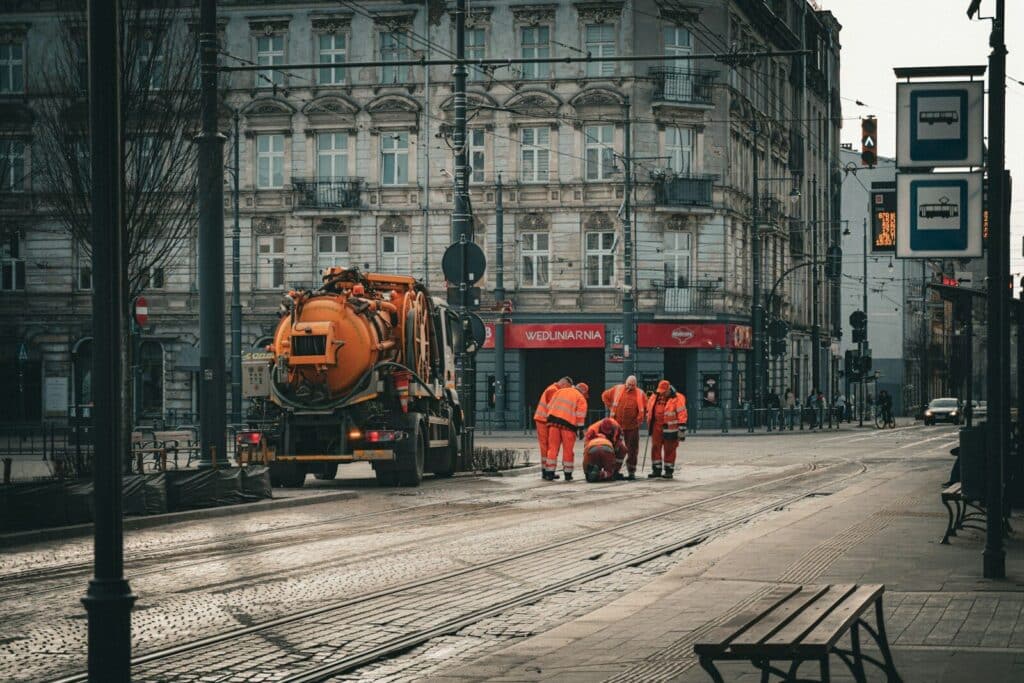
Photo by Filip Chmielecki on Unsplash
How Professional Drain Repair Works
When homeowners contact a plumber for drain repair services, the first step is a professional inspection of the plumbing system.
Modern plumbing technology allows technicians to locate problems accurately. Specialized equipment, such as drain cameras, can inspect the inside of pipes and identify cracks, root intrusion, or severe blockages.
Once the issue is located, the plumber can determine the best repair method. Some repairs involve clearing blockages, while others require replacing damaged sections of pipe.
Depending on the severity of the damage, the repair job may involve reconnecting sections of pipe, repairing joints, or replacing worn materials.
Experienced technicians can often complete the repair efficiently once the issue is identified. Professional equipment and training help ensure the problem is fixed correctly.
Many plumbing companies also allow homeowners to request service through an online app or scheduling system so they can quickly contact a technician when problems arise.
When to Call a Professional Plumber
Some minor clogs can be addressed with simple cleaning methods, but certain warning signs require professional help.
You should consider calling a plumber if clogs occur frequently, if multiple drains are affected, or if slow drainage continues after cleaning attempts.
Other warning signs include foul odors, standing water, or unusual sounds coming from pipes.
In difficult situations, damaged pipes may need to be replaced, or sections of plumbing may require a repipe to restore proper drainage.
At G.A. Eberly Plumbing & Heating, our licensed technicians provide reliable drain repair services designed to restore proper drainage and protect your home’s plumbing system. Our team arrives prepared with the tools and experience needed to diagnose the issue and recommend the best solution for your property in the city or surrounding communities.
Addressing drain problems early can reduce repair costs, protect your home, and prevent unnecessary stress.
Schedule Professional Drain Repair Services Today
Drain problems rarely resolve themselves. Ignoring early warning signs can allow damage to spread through the plumbing system and lead to larger repairs.
If you suspect a problem with your drains, our team is ready to help.
Contact G.A. Eberly Plumbing & Heating to schedule professional drain repair services. Our experienced technicians will diagnose the issue, repair the pipes, and restore proper drainage so your home can function normally again.
Put more than 115 years of plumbing experience to work protecting your home. Your trusted family-owned plumber serving the DMV region since 1909.
Helpful Links and Resources for Drain Repair
Environmental Protection Agency (EPA) – Septic Systems: Learn about proper septic system maintenance and how it impacts your drainage system. Visit EPA’s Septic Systems Page
National Association of Home Builders (NAHB): Explore resources on home maintenance, including plumbing and drainage tips. Visit NAHB’s Website
American Society of Plumbing Engineers (ASPE): plumbing and drainage systems: Visit ASPE’s Website
Centers for Disease Control and Prevention (CDC) – Water-Related Hygiene: Find information on preventing waterborne illnesses and maintaining clean water systems.Visit CDC’s Water Hygiene Page
Occupational Safety and Health Administration (OSHA) – Plumbing Safety: Learn about safety standards and best practices for plumbing and drain repair work. Visit OSHA’s Plumbing Safety Page
This Old House – Plumbing Tips: Discover practical advice and DIY tips for maintaining and repairing your home’s plumbing. Visit This Old House’s Plumbing Section
National Sanitation Foundation (NSF) Explore certified products and standards for water and drainage systems. Visit NSF’s Website