
A plumbing emergency can move fast.
One minute, everything is normal. Next, water is leaking under a sink, a toilet is overflowing, a pipe has burst in the basement, or a washing machine hose has failed behind the wall. In those first few moments, knowing where your water valve shut off is located can make the difference between a small repair and serious water damage.
At G.A. Eberly Plumbing & Heating, I’ve seen how stressful plumbing emergencies can be for homeowners, families, landlords, and businesses. Since 1909, we’ve helped customers across Maryland, Virginia, and Washington, D.C. protect their homes and properties with reliable plumbing and heating service backed by honesty, experience, and expert craftsmanship.
One of the simplest ways to protect your property is also one of the most important: know how to shut off your water.
This guide will walk you through what a shutoff valve does, where your main water shutoff valve may be located, how fixture-specific shut off valves work, and when to turn the water off during an emergency.
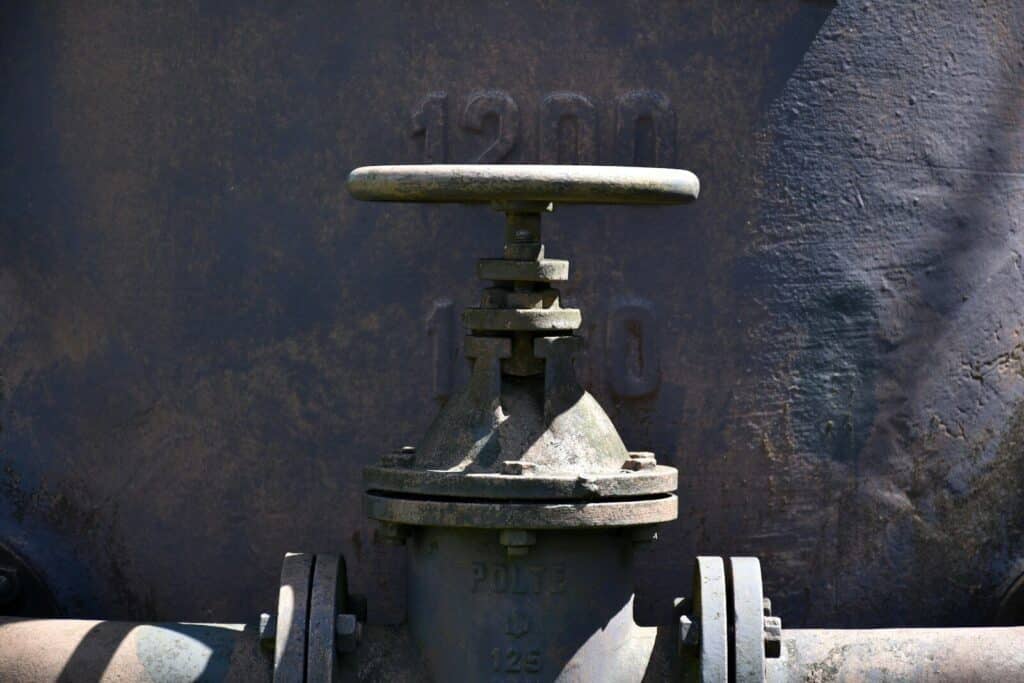
Photo by Ries Bosch on Unsplash
What Is a Water Valve Shut Off?
A water valve shut off is a plumbing valve that controls water flow through a pipe, fixture, appliance, or your entire house. When the valve is open, water can move through the line. When the valve is closed, it stops water flow.
Every home should have a main water shutoff valve that controls the water supply to the entire house. Many homes also have smaller water shutoff valves near individual fixtures and appliances, such as sinks, toilets, washing machines, outside faucets, and water heaters.
These valves are designed for convenience and protection.
If a faucet is leaking, you may only need to shut off the valve under that sink. If a toilet is overflowing, you can usually turn off the valve behind or beside the toilet. If a pipe bursts or you cannot locate the source of the leak, you may need to shut off water to the entire house.
Knowing the difference can help you act quickly and calmly when something goes wrong.
Why Your Main Water Shutoff Valve Matters
Your main water shutoff valve controls the water supply entering your home or building. If you need to stop water flow to the entire house, this is the valve you need.
This valve is especially important during emergencies such as:
- Burst pipes
- Major leaks
- Overflowing fixtures
- Water heater leaks
- Broken appliance hoses
- Flooding near plumbing lines
- Repair work on the main water line
- Water damage prevention when leaving for vacation
When water is actively leaking, every minute matters. The longer the water continues to flow, the more damage it can cause to floors, walls, cabinets, ceilings, basements, and personal property.
That is why I always encourage homeowners to find their main shutoff valve before there is an emergency. Do not wait until water is already spreading across the floor.
Where Is the Main Water Shutoff Valve Located?
The exact location of your main water shutoff valve depends on the age of your home, the plumbing layout, local utility setup, and whether your water line enters through a basement, crawl space, slab, or exterior wall.
Common locations include:
- Basement walls near the front of the house
- Crawl spaces
- Utility rooms
- Mechanical rooms
- Near the water heater
- Near the water meter
- Inside a cabinet or access panel
- Near where the main water pipe enters the home
- Outside near the foundation
- In a covered box near the street or property line
In many homes, the valve is located on a pipe coming through the wall or floor. It may be connected to copper, PEX, PVC, or CPVC piping. In some settings, especially commercial or older residential properties, the valve may be in a less obvious location.
If you are not sure where yours is, it is worth taking time to check. Look in the basement first if you have one. Then check near the water heater, utility area, or where the water service enters the property.
If you still cannot find it, a licensed plumber can help locate it and make sure it operates correctly.
Water Shutoff Valves for the Entire House
Your water shutoff for the entire house is the valve you use when a leak cannot be controlled at the fixture level.
This valve stops water flow throughout the home. That means sinks, toilets, showers, washing machines, the water heater supply, outside faucet lines, and other plumbing fixtures may lose water once the main valve is shut.
You may need to shut off water to the entire house if:
- A pipe bursts inside a wall
- Water is leaking from an unknown location
- Multiple fixtures are affected
- A water heater tank is leaking
- A supply line has broken
- A fixture shutoff valve does not work
- Water is spreading quickly
- You are waiting for plumbing repair
Once the main shutoff valve is closed, open a low-level faucet, such as a basement sink if available, to help relieve pressure and drain some remaining water from the line.
Then call a professional plumber to diagnose the problem and complete the repair.
Fixture Shut Off Valves: Sink, Toilet, Faucet, and Appliance Control
Not every plumbing issue requires shutting off water to the entire house.
Many fixtures have their own shut off valves. These smaller valves control water flow to one fixture or appliance.
You may find fixture shutoff valves:
- Under bathroom sinks
- Under kitchen sinks
- Behind toilets
- Behind washing machines
- Near water heaters
- Near dishwashers
- Near ice maker lines
- Near the outside faucet connections
These valves are useful because they let you stop water to one specific fixture while the rest of the house continues to have water.
For example, if your toilet is overflowing and the toilet’s valve works, you can shut off water there without affecting the kitchen sink, shower, or washing machine. If a faucet is leaking under the sink, you may be able to shut off the hot or cold line under the cabinet.
That convenience matters, especially in busy homes and commercial settings.
Gate Valve vs. Ball Valves: Common Types of Shutoff Valves
There are different types of shutoff valves, but two of the most common types are the gate valve and ball valve.
Gate Valve
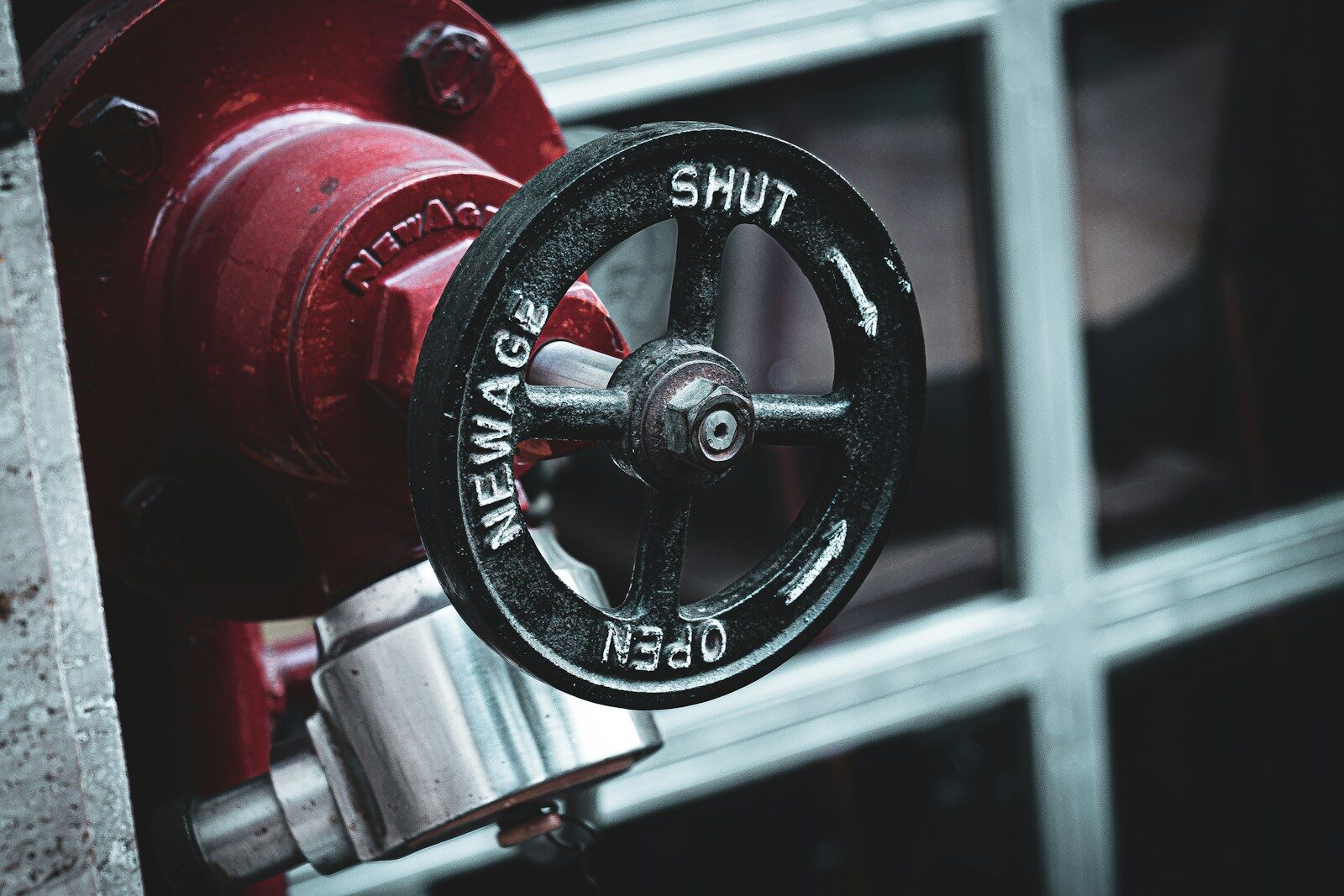
A gate valve usually has a round wheel-style handle. To close it, you slowly turn the wheel clockwise until it stops. To open it, you turn it counterclockwise.
Gate valves are common in older plumbing systems. They can work well, but they may become prone to corrosion, stiffness, or failure over time. Sometimes the stem, nut, or internal components wear out, making the valve difficult to operate.
If your gate valve has not been turned in years, do not force it. A stuck valve can break, leak, or fail when you need it most.
Ball Valves
Ball valves usually have a lever-style handle. They are often easier to use because they operate with a quarter turn.
When the handle is parallel with the pipe, the valve is usually open. When the handle is perpendicular to the pipe, the valve is usually closed.
Ball valves tend to be reliable, simple, and easy to identify. Many modern plumbing systems use ball valves because they are quick to operate and provide strong shutoff functionality.
If you are upgrading an old shutoff valve, a plumber may recommend replacing a worn gate valve with a ball valve.
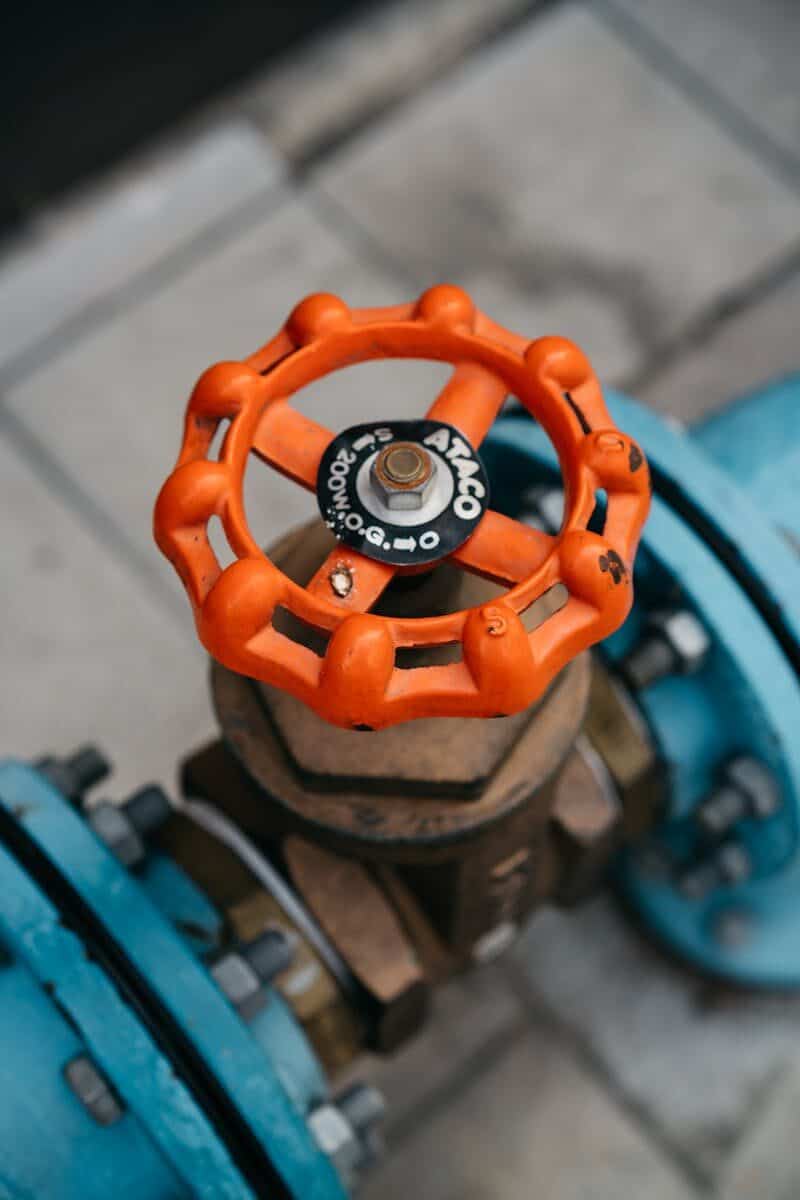
Photo by Markus Winkler on Pexels
How to Shut Off Water Flow Safely
If you need to stop water flow during an emergency, stay calm and follow a simple process.
For a Ball Valve
Find the lever handle. Turn it a quarter turn until the handle is perpendicular to the pipe. This should stop the water flow.
For a Gate Valve
Find the wheel handle. Slowly turn it clockwise until it stops. Do not over-tighten it. If it feels stuck, do not force it.
For a Fixture Shutoff Valve
Look near the fixture. Under the sink, the valves are usually inside the cabinet. Behind a toilet, the valve is usually on the wall or floor behind the toilet. Turn the valve clockwise to shut it.
After shutting the valve, check whether the water has stopped. If water is still flowing, you may have shut the wrong valve, or the valve may not be functioning properly.
If you cannot stop the water, call a plumber right away.
When to Use Your Water Shutoff Valve
A water shutoff valve is not only for major disasters. It can also be used during routine repair work or when protecting the home from possible leaks.
You may need to shut off the water when:
- A pipe is leaking
- A toilet is overflowing
- A faucet supply line is leaking
- A washing machine hose bursts
- A water heater is leaking
- A sink cabinet is flooding
- You are replacing a fixture
- You are repairing a faucet
- You are installing an appliance
- You are leaving home for an extended period
- Water damage is already starting
- A plumber asks you to shut off the water before service
In emergencies, the goal is to stop water flow as fast as safely possible. In planned repairs, the goal is to control the water supply before work begins.
Either way, knowing how your valves function can save time, money, and stress.
Water Heater Shutoff: What Homeowners Should Know
Your water heater should have a shutoff valve on the cold water supply line leading into the tank. If the tank or connected pipe is leaking, this valve can help stop new water from entering the water heater.
This is important because a leaking water heater can create serious water damage, especially if it is located in a basement, utility closet, or finished area.
If your water heater is leaking:
- Shut off the water supply to the heater if you can do so safely.
- Turn off the power or gas supply according to the unit type and safety guidance.
- Avoid touching electrical components near water.
- Call a licensed plumber.
Water heater leaks should not be ignored. Sometimes the issue is a fitting, valve, or pipe. Other times, the tank itself may have failed and need replacement.
At G.A. Eberly, we service and install both traditional tank and tankless water heaters, with installations supervised by a Master Technician for quality and safety.
Shutoff Valves for Washing Machines and Outside Faucets
Washing machines are a common source of sudden leaks because they are connected to pressurized hot and cold water lines. If a hose bursts, water can flood a laundry room quickly.
Most washing machines have shutoff valves located behind the appliance. These may be round handles or lever-style valves. If your washing machine hoses are old, cracked, bulging, or leaking, replace them before they fail.
Outside faucet lines may also have shutoff valves, often located inside the home near where the pipe passes through the wall. These are especially important in colder seasons, when freezing can damage pipes and cause leaks.
Before winter, it is smart to:
- Shut off water to outside faucets if your system requires it
- Disconnect hoses
- Drain the outside faucet line
- Check for leaks or corrosion
- Schedule service if the valve does not operate correctly
Small seasonal steps can help prevent expensive plumbing emergencies.
What If Your Shutoff Valve Is Stuck, Leaking, or Corroded?
A shutoff valve is only useful if it works.
Over time, valves can become stuck, corroded, sealed by mineral buildup, or prone to leaking around the stem or fittings. Older gate valves are especially known for becoming difficult to turn.
Signs your valve may need service include:
- It will not turn
- It drips when operated
- It feels loose
- It is heavily corroded
- It does not fully stop the water flow
- The handle is broken
- The pipe or fittings around it are leaking
- You do not know whether it is open or closed
Do not wait for an emergency to find out your shutoff valve does not work. If you are unsure about the condition of your valve, have it inspected.
A plumber can repair or replace the valve and make sure your home has a reliable way to control the water supply.
How to Test Water Shutoff Valves
Testing your shutoff valves can help you feel more prepared, but it should be done carefully.
For a fixture valve under a sink or behind a toilet, turn the valve slowly and check whether the fixture stops receiving water. Then turn it back on and check for leaks.
For the main shutoff valve, choose a time when no one needs water. Slowly turn the valve off, then open a faucet to confirm water flow stops. Turn the valve back on slowly to avoid sudden pressure changes.
If the valve is difficult to turn, leaking, or looks old and corroded, stop and call a plumber.
It is better to schedule a repair now than to discover a problem during a burst pipe emergency.
Residential and Commercial Water Shutoff Planning
Both residential and commercial properties should have a clear water shutoff plan.
For homeowners, everyone in the house should know where the main shutoff valve is located. This includes spouses, older children, and anyone who may be home during an emergency.
For landlords and property managers, shutoff valve locations should be documented for each unit or building. This can help prevent major water damage if a tenant reports a leak.
For commercial properties, staff should know who to contact and where shutoff points are located. In some buildings, there may be multiple shutoff valves controlling different areas or systems.
A simple plan can protect:
- Homes
- Apartments
- Restaurants
- Offices
- Retail spaces
- Multi-unit buildings
- Commercial kitchens
- Laundry areas
- Mechanical rooms
- Bathrooms
When water is leaking, nobody should have to search blindly for the right valve.
Why Knowing Your Water Valve Shut Off Can Save You Money
Water damage can be expensive.
A burst pipe or leaking appliance can damage flooring, drywall, cabinets, furniture, electrical systems, insulation, and personal belongings. The longer water flows, the more serious the damage can become.
Knowing how to shut off water can help reduce:
- Flooding
- Mold risk
- Structural damage
- Repair costs
- Insurance claims
- Lost time
- Stress
- Damage to personal property
- Business downtime
A working water shutoff valve gives you control during a stressful moment. It helps protect your property while you wait for professional service.
That peace of mind is worth the time it takes to find and test your valve.
How G.A. Eberly Can Help With Shutoff Valves and Plumbing Repairs
At G.A. Eberly Plumbing & Heating, we help homeowners and businesses with shutoff valves, leak repairs, water heaters, drain cleaning, pipe replacement, fixture installation, heating service, and maintenance.
If you cannot find your main water shutoff valve, we can help locate it. If your valve is stuck, corroded, leaking, or outdated, we can repair or replace it. If you are dealing with water damage, a burst pipe, a leaking fixture, or a failing appliance connection, we can diagnose the issue and provide the right solution.
Our fully stocked trucks help us complete many repairs efficiently. Our upfront pricing means you know what to expect before work begins. And with more than 115 years of experience, we bring the reliability and craftsmanship customers have trusted for generations.
Every installation and repair is supervised by a Master Technician because quality matters.
Plumbing Education & Emergency Resources for the DMV
Whether you own a home in Maryland, Washington DC, or Northern Virginia, it is helpful to know where to find trustworthy plumbing information before an emergency happens. These resources cover licensing, sewer backups, water emergencies, leak detection, home plumbing basics, and consumer protection.
- G.A. Eberly Plumbing & Heating | A family-owned, woman-operated plumbing company serving homes and businesses across the DMV with plumbing, heating, water heater, drain, sewer, and repair services.
- Maryland Department of Labor License Search | A helpful tool for checking whether an individual or business is licensed by the State of Maryland before hiring them for plumbing work.
- Virginia DPOR License Lookup | Virginia’s Department of Professional and Occupational Regulation offers a license lookup tool for checking professional credentials, including plumbing-related trades.
- DC Occupational & Professional License Search | A useful resource for Washington DC homeowners who want to search occupational and professional licenses, including plumber, master plumber, and contractor license types.
- WSSC Water: Finding and Verifying a Plumber/Gasfitter | A helpful resource for WSSC Water customers who need to verify plumber or gasfitter registration, licensing, and good standing.
- WSSC Water: Reporting Water and Sewer Emergencies | A resource for reporting broken water mains, sewer backups, and other water or sewer emergencies in WSSC Water service areas.
- WSSC Water: Sewer Blockages & Backups | A useful guide for homeowners dealing with sewer backups, sewer blockages, and questions about whether the issue may be on the homeowner’s side or the utility’s side.
- DC Water: Sewer Backup Information | A helpful emergency resource for Washington DC residents who are dealing with a sewer backup and need to know what steps to take.
- DC Water: Backwater Valve Information and Rebate Program | A useful resource for DC homeowners who want to learn more about backwater valves, sewer backup prevention, and available rebate information.
- Fairfax Water: Detecting Leaks | A practical homeowner guide for checking common household leaks, including toilet leaks, which are one of the most common sources of hidden water waste.
- Fairfax Water: Your Plumbing | A helpful resource about home plumbing basics, including locating the main water shutoff valve and protecting your plumbing during cold weather.
- Arlington County: Sanitary Sewer Information | A useful resource for Arlington homeowners dealing with sewer issues, including guidance on what to do if you are experiencing a sewer backup.
- Arlington County: Water & Utilities | A helpful page for Arlington residents looking for water, sewer, billing, utility, and emergency contact information.
- EPA WaterSense: Fix a Leak Week | A national water-saving resource that helps homeowners find and fix common household leaks before they waste water or cause property damage.
- People’s Law Library: Home Improvement Contract Tips | A Maryland-focused guide that explains what homeowners should know about contractor selection, licenses, insurance, permits, contracts, and final payments.
Before hiring a plumber or trying to understand a plumbing issue on your own, it helps to review reliable local and regional resources. These links can help DMV homeowners recognize warning signs, understand utility responsibilities, verify credentials, and take the right steps during a plumbing emergency.
Final Thoughts on Water Valve Shut Off Preparedness
A water valve shut off may not be something you think about every day, but when a plumbing emergency happens, it becomes one of the most important parts of your home.
Knowing where your main water shutoff valve is located, understanding how fixture-specific water shutoff valves work, and recognizing the difference between gate valves and ball valves can help you respond quickly when leaks, burst pipes, overflowing toilets, washing machine failures, or water heater problems happen.
Do not wait until water is spreading across the floor to figure it out.
Find your valves. Test them carefully. Watch for corrosion. Replace valves that no longer work. And when you need help, call a plumbing company with the experience to do the job right.
At G.A. Eberly Plumbing & Heating, we have been protecting homes and businesses since 1909 with dependable plumbing and heating solutions rooted in honesty, integrity, and expert care.
Schedule Your Service Today.