If you have ever asked yourself why does my toilet keep running, you are not alone. A running toilet is one of the most common plumbing issues homeowners experience. While it may seem like a small annoyance, a toilet that is constantly running can waste a surprising amount of water.
In fact, a toilet that does not stop running can waste hundreds of gallons of water each day. Over time, this can increase your water bill and place unnecessary stress on your plumbing system.
At G.A. Eberly Plumbing & Heating, we have helped homeowners across Maryland, Virginia, and Washington, D.C. solve plumbing problems for more than 115 years. As a family-owned, woman-operated company founded in 1909, we are committed to providing dependable service and expert craftsmanship on every job.
Understanding the most common causes of a toilet constantly running can help you identify the problem quickly and determine whether a simple adjustment or professional repair is needed.
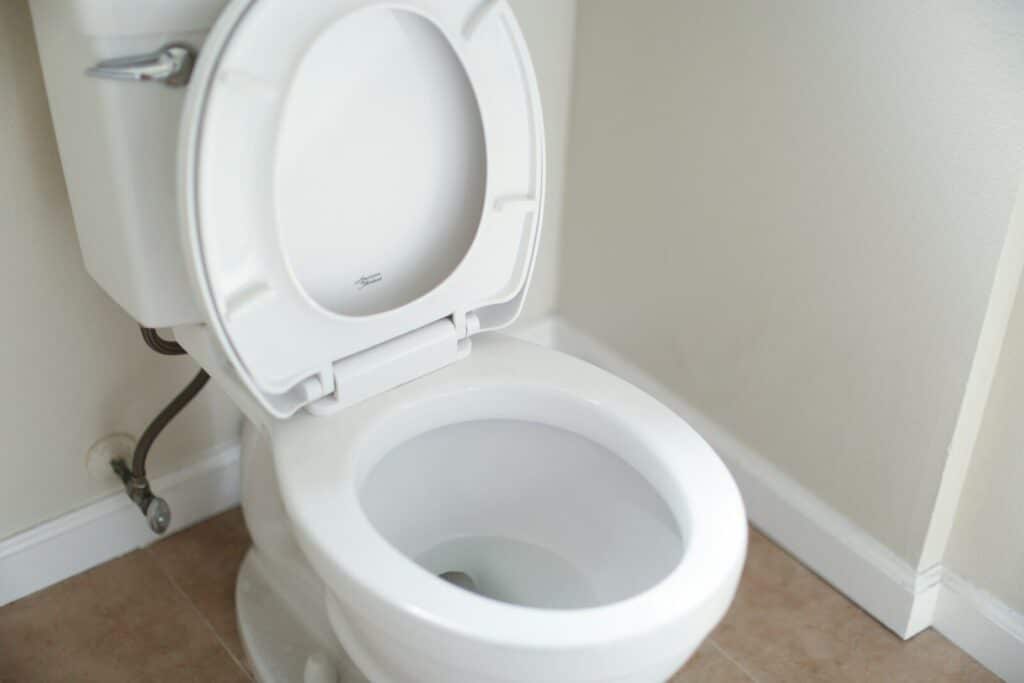
Photo by Giorgio Trovato on Unsplash
Why Running Toilets Should Be Fixed Quickly
When a toilet running problem occurs, water continues flowing from the tank into the toilet bowl even when the toilet is not being used.
Inside a typical toilet tank, several components work together to control the water level and stop the flow of water after a flush. If one of these parts becomes worn, stuck, or damaged, water may continue flowing through the system.
A running toilet may
- Waste dozens of gallons of water every day
- Increase your monthly water bill
- Create a constant sound of water filling the tank
- Indicate worn parts inside the toilet tank
Ignoring the issue may allow the problem to worsen over time.
7 Common Causes of Running Toilets
1. A Worn Toilet Flapper
One of the most common causes of a toilet constantly running is a worn toilet flapper. The flapper valve sits at the bottom of the tank and controls the flow of water into the bowl during a flush.
The rubber seal on the flapper can wear out over time, preventing it from sealing properly. When this happens, water slowly leaks into the toilet bowl, causing the tank to refill repeatedly.
In many cases, the solution is simple. Homeowners can replace the flapper with a new replacement part from a hardware store.
2. Problems with the Fill Valve
The fill valve controls how water enters the tank after each flush. If this valve becomes worn, clogged with mineral buildup, or misaligned, the tank may continue filling with water.
A faulty fill valve can cause the toilet to run continuously because the tank never reaches the correct water level.
Sometimes adjusting or replacing the fill valve can resolve the issue.
3. Water Flowing Into the Overflow Tube
Inside the toilet tank, you will see an overflow tube. This tube prevents the tank from overflowing if the water level rises too high.
If water constantly flows into the overflow tube, the tank is likely overfilling. This often happens when the float mechanism is set too high.
Adjusting the float can help restore the proper water level and stop the toilet from running.
4. A Misaligned Float Ball
Some toilets use a float ball attached to a metal or plastic arm. As the tank fills with water, the float rises and signals the fill valve to shut off.
If the float ball becomes stuck, bent, or positioned incorrectly, it may not rise high enough to stop the water flow.
In some cases, gently adjusting or bending the float arm slightly can help fix the issue.
5. Issues with the Lift Wire or Chain
The lift wire or chain connects the toilet handle to the flapper. When you press the handle, the chain lifts the flapper so water can flush into the bowl.
If the chain is too tight, too loose, or tangled, it may prevent the flapper from sealing correctly. This allows water to continue leaking into the bowl.
Check the chain to ensure it has a small amount of slack and is not caught on other parts inside the tank.
6. Debris or Mineral Buildup
Over time, debris or mineral buildup can collect inside the valve components of the toilet tank.
This buildup may prevent the fill valve or flapper from closing properly, allowing water to continue flowing.
Cleaning these parts may help resolve the issue in some cases.
7. Cracks or Damage in the Tank Components
Occasionally, cracks or broken parts inside the tank can cause water to leak continuously.
For example, a damaged overflow pipe, worn rubber components, or broken fittings may allow water to escape.
If you notice visible cracks, loose parts, or leaking connections, replacement parts may be required.
Simple Fixes Homeowners Can Try
If you notice your toilet running, there are a few simple troubleshooting steps you can try before calling a plumber.
- Start by removing the tank lid and inspecting the components inside the tank.
- Check the flapper to make sure it is sealing properly. If it appears worn or damaged, replacing it may solve the problem.
- Next, inspect the fill valve and float mechanism. Make sure the float can move freely and that the water level sits slightly below the top of the overflow tube.
- You can also check the lift wire or chain connected to the toilet handle. Make sure it is not tangled or too tight.
- If mineral buildup or debris is present, cleaning the parts may restore proper operation.
Sometimes a simple adjustment is enough to stop running water and restore normal toilet function.
When to Call a Plumber
If the same problem continues after replacing parts or making adjustments, it may be time to contact a professional plumber.
Persistent issues can indicate deeper plumbing problems or worn components inside the toilet that require expert repair.
Professional plumbers can inspect the tank, identify faulty parts, and install reliable replacements quickly.
At G.A. Eberly Plumbing & Heating, our experienced technicians provide dependable plumbing repairs throughout the DMV region. Every repair is supervised by a Master Technician to ensure the work is completed correctly.
Helpful Links and Resources for Fixing a Running Toilet
How to Fix a Running Toilet – Home Depot: A step-by-step guide from Home Depot on diagnosing and repairing common causes of a running toilet. Visit Home Depot’s Guide
Toilet Repair Tips – Lowe’s: Lowe’s offers practical advice and tips for fixing toilet issues, including running toilets. Visit Lowe’s Toilet Repair Tips
DIY Toilet Repairs – Family Handyman: Family Handyman provides detailed instructions and illustrations for fixing a running toilet yourself. Visit Family Handyman
Toilet Troubleshooting – American Standard: American Standard’s troubleshooting page helps identify and resolve common toilet problems. Visit American Standard
Water Conservation Tips – EPA: Learn how fixing a running toilet can save water and reduce your utility bills, as explained by the Environmental Protection Agency (EPA). Visit EPA’s Water Conservation Page
Toilet Maintenance Guide – This Old House: This Old House shares expert advice on maintaining and repairing toilets to prevent issues like running water. Visit This Old House
Plumbing Basics – DIY Network: DIY Network offers a beginner-friendly guide to understanding plumbing basics, including toilet repairs. Visit DIY Network
Photo by Point3D Commercial Imaging Ltd. on Unsplash
Schedule Your Service Today
If your toilet will not stop running, addressing the issue quickly can help prevent wasted water and higher utility costs.
Our team is ready to help diagnose and repair your plumbing problem.
Schedule your service today and put more than 115 years of plumbing experience to work for your home.
Your trusted local plumber serving Maryland, Virginia, and Washington, D.C. since 1909.