
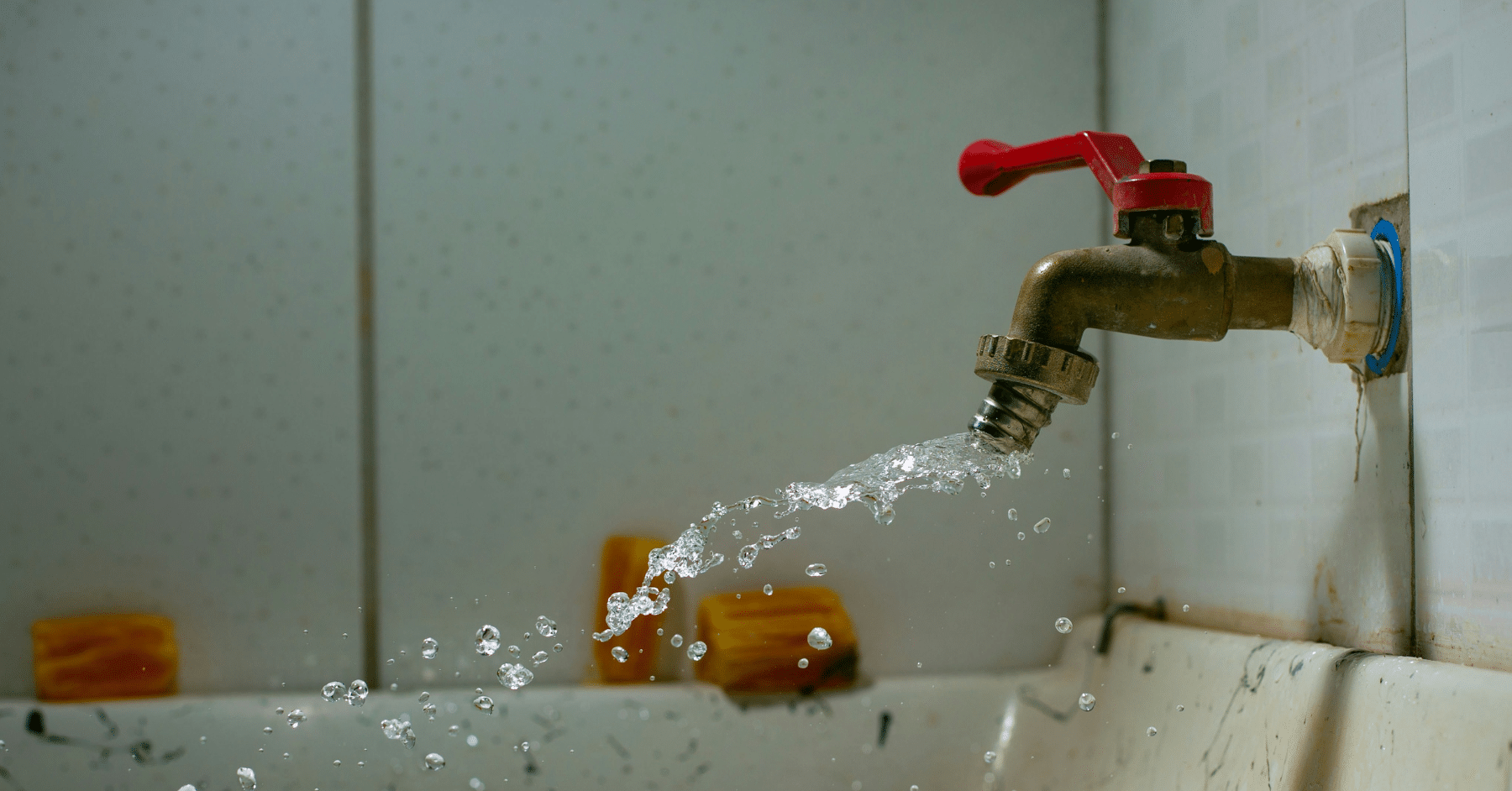
There are few things more maddening than the sound of a steady drip-drip-drip echoing in the bathroom in the middle of the night. If you are dealing with a bathtub faucet leaking in your Annapolis home, you certainly aren’t alone. It is one of the most common calls we receive, yet many homeowners hesitate to address it immediately, hoping the handle just needs an extra crank to stop the flow.
Unfortunately, ignoring that rhythmic dripping does more than just test your patience. Even a slow leak can waste hundreds of gallons of water over a year, driving up utility bills and potentially causing water damage to your fixtures and grout. In historic towns like ours, where plumbing systems can range from brand-new to decades old, a small leak can sometimes be a symptom of a larger issue within your pipes.
At G.A. Eberly Plumbing & Heating, we have been serving families across Maryland since 1909. For over 115 years, our team has seen every type of faucet failure imaginable. We understand that you want a quick solution that lasts. This guide will walk you through why faucets leak, the specific challenges we see here in Annapolis, and how to decide if this is a DIY project or a job for a professional.
Put 115+ years of experience to work for you when plumbing problems start small but can grow quickly.
What Does It Mean When a Bathtub Faucet Is Leaking?
When you notice water escaping from the spout, it generally means the internal mechanism designed to hold back water pressure has failed. However, the way the water is escaping tells us a lot about the severity of the problem.
Constant Drip vs. Steady Stream
Most homeowners first notice a leak as a slow, rhythmic drip. This usually occurs after you have turned the handle to the “off” position, but the water refuses to stop completely. A drip suggests that a seal—likely a washer or O-ring—has worn down and can no longer create a watertight barrier.
A steady stream, on the other hand, is a more urgent matter. If your bathtub faucet leaking issue involves a continuous run of water that won’t shut off, regardless of how hard you turn the handle, this indicates a significant failure in the valve stem or cartridge. This situation often requires shutting off the main water supply to the house to prevent massive water waste and potential overflow.
Why Even a Small Leaking Faucet Matters
It is easy to place a bucket under the spout and ignore the problem for a few weeks, but the cumulative effect is surprising. According to the EPA WaterSense program, a faucet that drips at the rate of one drip per second can waste more than 3,000 gallons per year. That is the equivalent of 180 showers!
Beyond the water bill, a persistent leak causes physical wear and tear. The constant flow of water can erode the brass or metal of the valve seat (the part inside the faucet), turning a simple washer replacement into a more expensive fixture replacement. Furthermore, the constant moisture wears down the finish on your tub and can degrade the grout or caulking around the drain.
Common Causes of a Bathtub Faucet Leaking
Understanding why your faucet is leaking is the first step toward fixing it. While faucets may look different on the outside—whether you have a modern single-handle mixer or a vintage two-handle setup—the internal reasons for leaks are often quite similar.
Worn Out Washers or Rubber Washers
In older compression-style faucets (common in many established Annapolis neighborhoods), a rubber washer is responsible for stopping the water flow. Every time you turn the handle to shut the water off, you are compressing this rubber washer against a metal valve seat.
Over time, the friction of daily use hardens and cracks the rubber. Eventually, the washer cannot form a perfect seal, allowing a small amount of water to trickle through. This is the most frequent cause of a dripping spout and is technically one of the simpler components to fix, provided the rest of the valve is in good condition.
Corroded Valve Seat or Valve Body
If a washer is replaced but the faucet continues to leak, the culprit is often the valve seat. This is the metal connection point that the washer presses against. If water is allowed to drip for too long, the mineral content in the water can erode the metal, creating a rough or pitted surface.
Even a brand-new washer cannot seal tightly against a pitted valve seat. In older plumbing systems, corrosion can also attack the valve body itself. You can learn more about how corrosion impacts home plumbing systems from this guide by The Cameron Journal.
Cartridge or Valve Stem Failure
Modern faucets, particularly single-handle models, often use a cartridge system rather than simple rubber washers. These cartridges contain internal seals and moving parts that regulate both temperature and flow. When a cartridge cracks or its O-rings fail, water will seep out either through the spout or, more concerningly, around the handle itself.
High Water Pressure or Water Supply Issues
Sometimes the faucet isn’t broken; it is just overwhelmed. If the water pressure entering your home is too high (generally above 80 psi), it can force hot water past the stoppers in your faucets. This excess pressure puts stress on every plumbing fixture in your home, not just the tub. If you suspect pressure issues, it’s worth checking your pressure reducing valve. Bob Vila’s website offers excellent insights on identifying high water pressure symptoms in the home.
Hard Water and Mineral Buildup in Annapolis
Here in the Annapolis area, we often deal with hard water, which contains high levels of dissolved minerals like calcium and magnesium. As water flows through your pipes, these minerals leave behind deposits known as scale.
Scale buildup inside a valve assembly prevents parts from moving smoothly or closing completely. You might feel this when the handle becomes stiff or “crunchy” to turn. Over time, this mineral buildup acts like sandpaper, destroying rubber seals and brass components.
Why You Shouldn’t Ignore a Leaking Bathtub Faucet
Procrastination is a homeowner’s worst enemy when it comes to plumbing. What starts as a minor annoyance can quickly escalate into a financial and structural headache.
Increased Utility Bills and Water Waste
We touched on the environmental impact earlier, but the financial impact is just as real. Water and sewer rates in Maryland are not getting any cheaper. A leaking faucet is literally money going down the drain 24/7. Addressing the leak is one of the fastest ways to lower a creeping utility bill.
Moisture Damage and Mold Risks
A leaking faucet doesn’t always drip neatly into the drain. Sometimes, water leaks backward along the valve stem and drips behind the shower wall. This hidden moisture creates the perfect breeding ground for mold and mildew. By the time you see a water stain on the ceiling below or notice a musty smell, the damage to the drywall and studs is already done. For more information on how moisture leads to indoor air quality issues, the CDC provides a comprehensive guide on mold.
Hidden Pipe and Fixture Deterioration
When a leak is left unaddressed, it creates a pathway for water to travel. Water that pools around the base of the faucet handles can seep under the decorative escutcheon plates, rusting the mounting hardware and rotting the subfloor beneath the tub. We have seen cases where prolonged minor leaks compromised the stability of the tub unit itself.
Is It Worth Fixing A Leaking Bathtub Yourself?
In the age of online tutorials, many Annapolis homeowners are tempted to grab a wrench and try a DIY repair. While we applaud the initiative, it is vital to know your limits to avoid turning a $200 repair into a $2,000 renovation.
What Homeowners Can Safely Check
Before calling a pro, you can perform a few safe inspections:
- Check the Handles: Are the handles loose? Sometimes the screw holding the handle is just loose, preventing you from turning the valve fully off.
- Inspect the Spout: Is the leak coming from the aerator (if present) or the base of the spout?
- Shut Off the Water: If you plan to do any work, you must know where your main water shut-off valve is. Test it to ensure it actually cuts water to the house.
Simple Situations That May Be an Easy Fix
If you have a standard compression faucet and feel comfortable using tools, replacing a handle or a visible washer might be within your wheelhouse. You can find general instructions for these simpler tasks on reputable DIY sites like Family Handyman. However, proceed with caution: if a nut feels stuck, forcing it can snap the pipe inside the wall.
What Should Never Be DIY
We strongly advise against homeowners attempting to replace valve bodies located inside the wall. Without the proper torch and soldering skills (for copper) or crimping tools (for PEX), you risk causing a leak inside the wall cavity.
Additionally, if you try to remove a cartridge and it is seized due to mineral buildup—common in Annapolis—you can easily crack the surrounding brass pipe. If the leak persists after a basic washer swap, or if the water is spraying rather than dripping, put the tools down.
When to Call a Professional Plumber in Annapolis, MD
There comes a point where professional intervention saves you time, stress, and money. At G.A. Eberly, our Master Technicians handle these issues daily.
Signs Repair Won’t Hold
If you have replaced the cartridge or washer and the dripping returns quickly, it usually indicates a damaged valve seat or an issue with your home’s water pressure. A professional plumber has the diagnostic tools to measure pressure and re-seat valves properly.
Older Plumbing Systems and Corrosion Risks
Annapolis is known for its beautiful historic architecture. However, historic homes often contain galvanized steel or older copper pipes that are brittle. Disturbing these pipes to fix a faucet can cause them to crumble or break at the joints. Our team is experienced in handling delicate, aging plumbing infrastructure. You can read more about the challenges of plumbing in historic homes at This Old House.
Persistent or Worsening Leaks
If water is leaking around the handles when the faucet is on, or if you hear water running inside the wall, call us immediately. These are signs of a breach in the plumbing line that requires immediate professional containment to prevent structural damage.
Call now for fast, reliable repairs.
How Much Does It Cost to Fix a Leaky Bathtub Faucet?
We believe in transparency. The cost to repair a faucet varies based on several factors:
- Type of Faucet: A simple washer replacement on a two-handle faucet is less labor-intensive than replacing a thermostatic cartridge in a high-end luxury shower system.
- Replacement Parts: OEM (Original Equipment Manufacturer) cartridges for brands like Moen, Delta, or Kohler vary in price.
- Accessibility: If the plumbing is easily accessible, labor costs are lower. If we need to access pipes through a small maintenance panel or behind tile, the job is more complex.
- Extent of Damage: If the valve body is corroded beyond repair, the entire valve may need replacement, which is a larger job than a simple repair.
While DIY seems cheaper upfront, an improper fix often leads to a second, more expensive visit. Professional repair ensures accurate diagnosis and upfront pricing, so you never have to guess the final bill.
Don’t wait—fix it now before a small leak becomes a costly repair.
How to Prevent a Leaking Bathtub Faucet in the Future
Once your faucet is fixed, you want it to stay that way. Here is how you can extend the life of your plumbing fixtures:
Regular Maintenance
Don’t ignore the small signs. If a handle starts getting stiff, it’s a sign that lubrication is needed or buildup is occurring. Addressing this early can save the cartridge. HomeTips.com offers great advice on maintaining single-handle faucets specifically.
Addressing Mineral Buildup Early
Given our hard water, consider installing a water softener or conditioner. This protects not just your tub faucet, but your dishwasher, water heater, and washing machine from scale damage. Fresh Water Systems explains the science behind how hard water damages appliances.
Monitoring Water Pressure
Ask us to check your water pressure during your next service visit. If it is high, installing a pressure-reducing valve is an easy way to protect your entire home’s plumbing system.
Schedule your service today to keep your plumbing system working reliably.
Why Annapolis Homeowners Trust G.A. Eberly Plumbing & Heating
When you invite a technician into your home, trust is everything. G.A. Eberly Plumbing & Heating has been a staple in this community since 1909. We are proud to be a family-owned, woman-operated business that prioritizes the safety and comfort of our neighbors.
Unlike some companies that send unlicensed trainees to your door, every installation and repair we perform is supervised by a Master Technician. Our trucks arrive fully stocked, meaning we can solve most bathtub faucet leaking issues on the spot without needing to leave for parts.
We have deep roots in Maryland, Virginia, and D.C., and we have built our reputation on honesty. We offer transparent, upfront pricing so you are never surprised, and our flexible scheduling is designed to work around your busy life.
Your local, family-owned plumber since 1909.
Book your plumbing or heating service online in minutes.
Get plumbing and heating done right the first time.
Frequently Asked Questions About a Bathtub Faucet Leaking
How do I stop a bathtub faucet from dripping?
To stop a drip temporarily, try tightening the handle firmly (but not too hard, or you risk breaking it). Ultimately, you likely need to replace the washer (for two-handle faucets) or the cartridge (for single-handle faucets). We recommend shutting off the water supply to the tub before attempting any adjustments.
Why is my tub spout dripping when the water is off?
This is almost always caused by a failed internal seal. In a two-handle faucet, the rubber washer has likely hardened or cracked, allowing water to pass. In a single-handle faucet, the cartridge seals have worn out. It signifies that the valve is no longer creating a watertight seal.
What is the most common cause of a leaky tub faucet?
The most common cause is worn-out rubber components—specifically washers or O-rings. These are consumable parts designed to take the brunt of the friction, and they degrade over time due to use and mineral buildup in the water.
How much does it cost for a plumber to fix a leaky tub faucet?
The cost depends on the faucet brand and the severity of the leak. A simple washer replacement is very affordable, while replacing a complex cartridge or a corroded valve body will cost more. At G.A. Eberly, we provide upfront, honest pricing before we begin any work, so you can make an informed decision.