
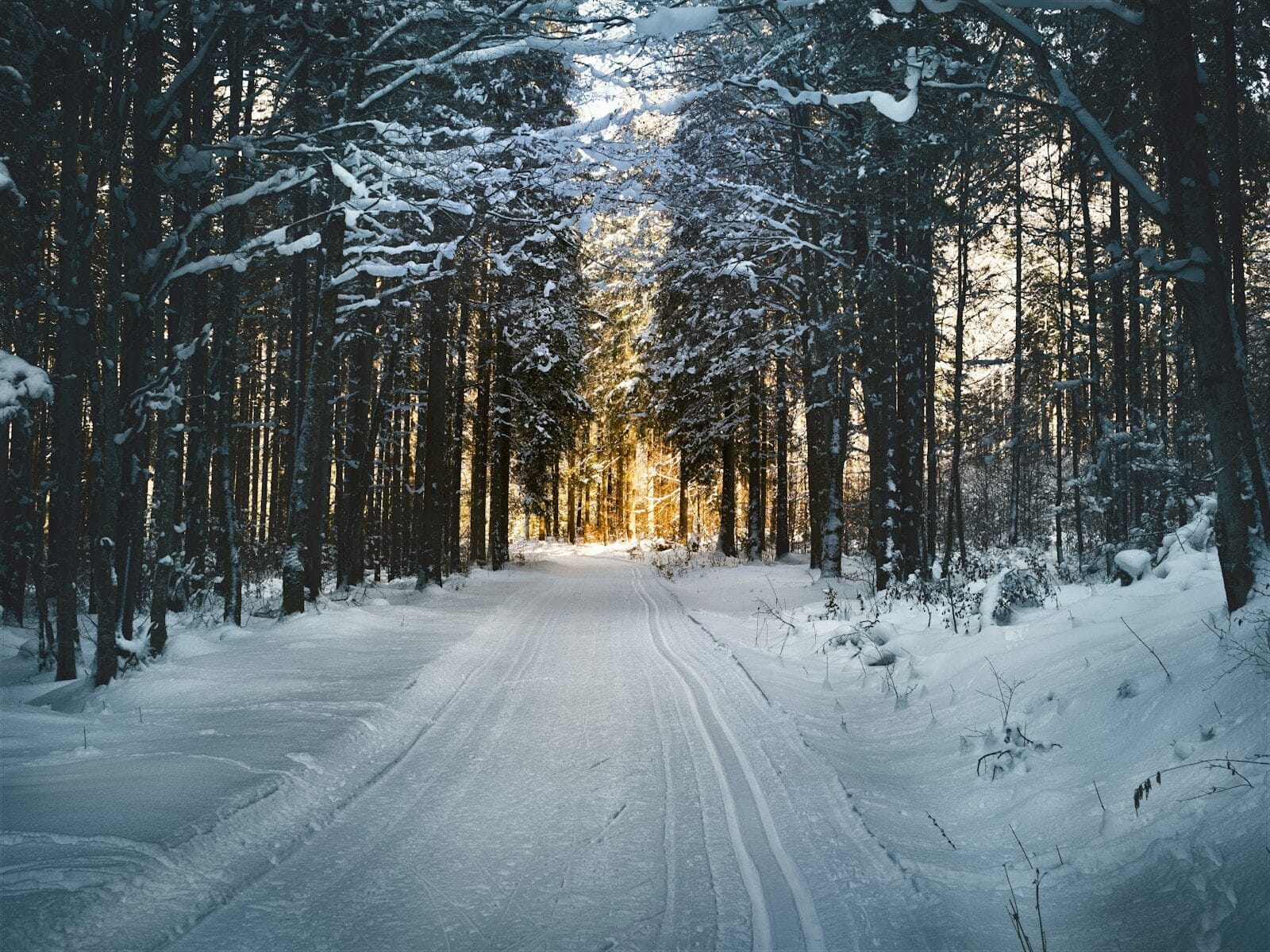
When the temperatures start to dip and the first frost hits your windshield, you know it’s time to get your home ready for the winter season. Preparing for the colder months is about more than just pulling out your sweaters; it’s a crucial step to protect your home’s plumbing systems, improve energy efficiency, and avoid costly heating emergencies when you can least afford them.
At G.A. Eberly Plumbing & Heating, we’ve helped homeowners and businesses in the DMV area stay warm and worry-free through more than 115 winters. We’ve seen firsthand what happens when a home isn’t properly winterized—from burst pipes causing thousands in water damage to heating failures on the coldest night of the year. These are stressful, expensive problems that can often be prevented with a little foresight.
Here’s our expert guide to winterizing your home—the right way.
How to Winterize a House
“Winterizing” is the process of preparing your home’s plumbing, heating, and structural systems to handle freezing temperatures, ice, and snow. It involves a series of proactive steps to prevent damage, improve efficiency, and ensure your home remains a safe, comfortable haven all season long.
To make it easy, we’ve broken down the essentials into a simple checklist.
- Drain and disconnect outdoor faucets and sprinkler systems. Water left in outdoor spigots, hoses, or irrigation lines will freeze, expand, and can crack pipes and valves.
- Insulate exposed pipes. Pay special attention to pipes in unheated or uninsulated areas like crawl spaces, basements, attics, and garages.
- Schedule a heating system inspection. An annual tune-up by a licensed technician is the best way to catch potential issues before they lead to a mid-winter breakdown.
- Seal gaps and add weather stripping. Check around doors, windows, and any exterior wall penetrations for drafts. Sealing these gaps prevents heat loss and lowers your energy bills.
- Reverse your ceiling fans. Most ceiling fans have a switch that reverses the blade direction. Running them clockwise on a low speed pushes warm air that has risen back down into your living spaces.
Don’t wait until pipes freeze—schedule your plumbing inspection today.
Prevent Frozen Pipes and Water Damage
One of the most destructive winter mishaps is a burst pipe. When water inside a pipe freezes, it expands with incredible force. This pressure can cause the pipe to crack or split. When the ice eventually thaws, water will pour out of the burst pipe, leading to significant flooding and damage to your home’s structure, floors, and personal belongings.
Vulnerable areas in most homes include plumbing in unheated basements, attics, crawl spaces, and along exterior walls where insulation may be lacking.
Here are our professional tips to keep your pipes from freezing:
- Open cabinet doors. On particularly cold nights, open the cabinet doors under sinks on exterior walls. This allows warmer air from your home to circulate around the pipes, helping to prevent them from freezing.
- Maintain a consistent thermostat setting. Avoid the temptation to drastically lower the heat at night. It’s better to keep the thermostat set a few degrees higher during extreme cold snaps, especially if you have vulnerable plumbing.
- Install heat tape or pipe insulation. For pipes in chronically cold areas, foam insulation sleeves are an easy DIY fix. For more robust protection, professionally installed heat tape provides a low-level warmth directly to the pipe.
- Properly winterize vacant homes. If you have a seasonal property or will be away for an extended period, the safest approach is to shut off the main water supply and have a professional drain the entire system.
Put 115+ years of plumbing expertise to work for you—we’ll help prevent costly winter damage before it starts.
Prepare Your Heating System for Cold Weather
Your heating system works hardest during the winter, and a sudden failure can be more than just an inconvenience—it can be a safety issue. Professional maintenance is the key to preventing breakdowns, improving energy efficiency, and ensuring your home stays comfortably warm all season long.
We strongly recommend an annual tune-up and inspection from a licensed technician. During this service, an expert will:
- Inspect the pilot light or ignition system to ensure it’s functioning safely and correctly.
- Clean or replace air filters, which improves airflow and indoor air quality.
- Test carbon monoxide detectors and recommend battery replacements.
- Calibrate the thermostat to ensure it’s reading the temperature accurately and signaling the heating system correctly.
- Check for any worn-out parts or potential issues that could lead to a failure later.
At G.A. Eberly, every installation and repair is supervised by a Master Technician. This commitment to quality gives our customers peace of mind, knowing the job is done right the first time.
Stay warm this winter—schedule your heating service with G.A. Eberly today.
Small Fixes That Lower Energy Bills All Winter Long
Improving your home’s energy efficiency doesn’t just help your wallet; it also makes your home feel cozier and more comfortable. Many of these fixes are simple and can be done by the homeowner.
- Install storm windows and doors. These create an additional barrier against cold air, significantly reducing heat loss.
- Add attic insulation. Heat rises, and an under-insulated attic is a major source of energy waste. Check your insulation levels and add more if needed to meet current recommendations.
- Use a smart thermostat. These devices can automatically adjust the temperature when you’re away from home or asleep, saving energy without sacrificing comfort.
- Check with your local power company. Many utility providers offer free or low-cost energy-saving assessments to help you identify areas for improvement.
- Keep chimneys and gutters clean. A clean chimney functions more efficiently and safely. Clear gutters prevent ice dams, which can cause water to back up under your shingles and lead to roof damage and leaks.
Let’s make your home more energy efficient—schedule a heating and plumbing check-up today.
How to Close Up a House for the Winter
Winterizing a vacant home or seasonal property requires extra attention because no one is there to notice if something goes wrong. A small issue like a frozen pipe can turn into a catastrophe if left undiscovered for weeks or months.
If you’re leaving a property empty for the winter, follow these essential steps:
- Turn off the main water supply. This is the most critical step.
- Drain all plumbing fixtures. Open all faucets (hot and cold) to let them drain completely. Don’t forget showers, tubs, and outdoor spigots.
- Flush all toilets to empty the tanks and bowls. Pour a small amount of plumbing-safe antifreeze into the bowl and tank to prevent any remaining water from freezing and cracking the porcelain.
- Empty the water heater according to the manufacturer’s instructions.
- Set the thermostat to a low but safe temperature (around 55°F is often recommended) to prevent deep freezing.
- Unplug nonessential electronics to save energy and protect them from power surges.
- Secure the home. Seal any gaps where pests could enter, store outdoor furniture, and trim any dead tree branches that could fall on the house during a winter storm.
Whether you’re leaving for the season or just want peace of mind, our team can professionally winterize your home.
Stay Safe During the Colder Months
Winter preparedness goes beyond your plumbing and heating systems. It’s also about ensuring your family is ready for potential power outages or other weather-related emergencies.
- Check your detectors. Replace the batteries in all smoke and carbon monoxide detectors. Test them to make sure they are working properly.
- Assemble an emergency kit. Keep a first aid kit, a battery-powered radio, flashlights, and extra batteries in an easily accessible location.
- Get your snow gear ready. Before the first snowfall, make sure you know where your snow shovels, roof rakes, and ice scrapers are.
- Keep vents clear. Ensure heating vents and returns are not blocked by furniture, rugs, or drapes. Proper airflow is essential for both efficiency and safety.
We’ve been keeping the DMV safe and warm for over a century—trust us to help your family stay prepared this winter.
Why Choose G.A. Eberly Plumbing & Heating
Winter brings enough challenges. With G.A. Eberly by your side, your home and heating systems are in the best hands possible. As a family-owned, woman-operated business rooted in the DMV community since 1909, we pride ourselves on honesty, integrity, and exceptional craftsmanship.
Here’s what sets us apart:
- Over 115 years of trusted service since 1909.
- Master Technician supervision on every single job.
- Upfront, honest pricing so you know the cost before we start.
- Fully stocked trucks to provide same-day solutions for most issues.
Winterizing your home is an investment in your peace of mind. With G.A. Eberly, you can rest easy knowing your home is ready for whatever the cold brings.
Frequently Asked Questions About Winterizing a Home
How much does a plumber charge to winterize a house?
Prices can vary depending on the size of your home and the complexity of your plumbing and heating systems. However, a small investment in professional winterization now can prevent thousands of dollars in emergency repairs and water damage later.
How do I winterize a house so pipes don’t freeze?
Insulate, drain, and maintain. Start by insulating exposed pipes, draining and disconnecting all outdoor spigots and hoses, and scheduling a professional plumbing check-up to identify any vulnerable areas.
Can I winterize my house myself?
You can certainly handle many winterizing tasks yourself, such as sealing drafts or adding pipe insulation sleeves. However, for critical tasks related to your heating and plumbing systems, professional service ensures complete protection and catches issues a homeowner might miss.
What’s the best temperature to keep a house at in winter?
For comfort and efficiency, most experts recommend setting your thermostat to around 68°F when you are home. If you are away, don’t let the temperature drop below 55°F to help protect your pipes from freezing.
Winterize Your Home the Right Way
Don’t wait for frozen pipes or heating failures to catch you off guard. Call G.A. Eberly Plumbing & Heating—your local, family-owned experts since 1909—and winterize your home the right way.